 Pin It
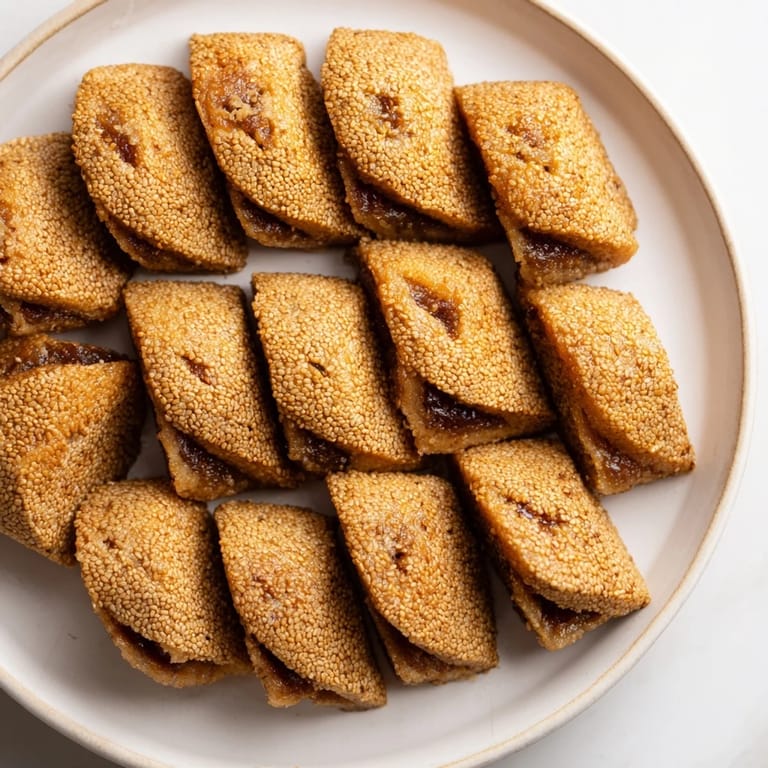
 My first encounter with makroudh happened at a wedding in Tunis, where a grandmother's weathered hands moved with practiced speed, folding golden pastries fresh from the oil into pyramids on white platters. The kitchen filled with the smell of honey and orange blossom, and I watched the diamond shapes catch the light as they cooled. She pressed one into my palm still warm, and I bit into the semolina crust that shattered like caramelized sand, revealing the soft, spiced date inside. That moment felt like tasting generations in a single bite. Now, whenever I make these at home, I feel that same quiet pride in creating something small but unmistakably special.
I brought these to a potluck once, and they disappeared before anything else on the table, which told me everything I needed to know about their power. Someone asked for the recipe, but I realized I'd never written one down—I'd just learned by doing, by tasting, by watching. That's when I decided these deserved to be shared properly, so nobody has to chase a recipe the way I did.
Ingredients
- Fine semolina (500 g): This is the soul of the cookie; it gives that distinctive sandy texture that shatters in your mouth. Don't substitute with coarse semolina or you'll lose that delicate crumb.
- Unsalted butter and olive oil (125 g butter, 75 ml oil): The combination creates a dough that's tender but still sturdy enough to hold the filling without falling apart during frying.
- Warm water (100 ml, plus more as needed): Add it slowly and feel the dough come together; every kitchen is different, so trust your hands more than the measurement.
- Sugar, salt, and cinnamon (2 tbsp, 1/2 tsp, 1/2 tsp): These three create a subtle backdrop that lets the date filling shine without overwhelming it.
- Pitted dates (300 g): Look for soft, glossy dates; they cook down into a paste more smoothly than harder varieties and taste naturally sweet.
- Butter, cinnamon, and nutmeg for filling (1 tbsp, 1/2 tsp, 1/4 tsp): The nutmeg is the secret note that makes people pause and ask what the mysterious warmth is.
- Orange blossom water (1 tsp for filling, 2 tbsp for syrup): This is optional but transforms the whole experience; it's the ingredient that whispers Tunisian kitchen into every bite.
- Honey for syrup and sesame seeds (200 g honey, 1 tbsp sesame): The honey creates a glossy finish while sesame adds texture and visual interest.
Tired of Takeout? 🥡
Get 10 meals you can make faster than delivery arrives. Seriously.
One email. No spam. Unsubscribe anytime.
Instructions
- Start with the dates:
- In a saucepan over low heat, combine your dates with butter, cinnamon, and nutmeg, stirring gently until they soften into a thick paste that coats the back of a spoon, about 5 minutes. If using orange blossom water, stir it in at the end and let the filling cool completely before you shape it; this prevents it from leaking out during frying.
- Build the dough:
- In a large bowl, mix your semolina with sugar, salt, and cinnamon, then pour in the melted butter and olive oil. Rub everything between your fingertips until it resembles wet sand—this step matters because it coats every grain and prevents lumps. Add warm water gradually, kneading very gently with the heel of your hand until a soft, cohesive dough forms that doesn't stick to your fingers; stop as soon as it comes together and cover it to rest for 20 minutes.
- Shape and fill:
- Divide your dough in half and roll each piece into a log about 5 cm thick, then use your finger or a wooden spoon handle to carve a deep channel lengthwise down each log. Press your cooled date log into this groove and fold the dough over to seal it, then gently roll the whole thing to smooth out any cracks.
- Cut into diamonds:
- Flatten the filled log slightly with your palm, then use a sharp knife to cut diagonally in one direction, then the other, creating diamond shapes about 4 to 5 cm across; take your time here because neat cuts make them look professional.
- Fry to golden:
- Heat your oil to 170°C (340°F)—a drop of dough should sizzle immediately and turn golden in under a minute. Working in small batches so the oil stays hot, carefully slide your diamonds in and fry until they're golden all over, about 5 to 7 minutes, turning once halfway through.
- Glaze and cool:
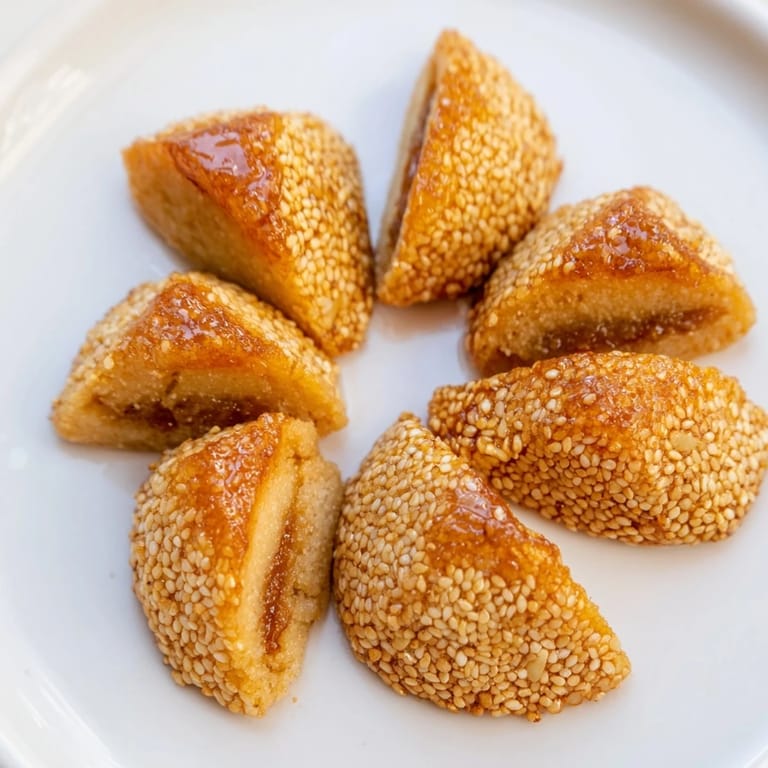
- Drain the hot makroudh on paper towels for a minute, then warm your honey with orange blossom water and dip each cookie into it briefly, letting excess drip off. Set them on a wire rack to cool and firm up, and sprinkle with sesame seeds while the syrup is still slightly warm so they stick.
 Pin It
 There's a moment right after you pull a batch from the oil when the whole kitchen smells like honey and orange and hot butter, and that's when you know you've done something right. These cookies have a way of turning an ordinary afternoon into something worth remembering.
The Art of Getting the Texture Right
The texture of makroudh is its signature, and it comes from two things: not overworking the dough, and getting the oil temperature exactly right. I learned this by making them wrong the first few times, creating dense bricks instead of the delicate, crumbly treats they're supposed to be. The semolina dough should feel almost wet when you're kneading it, because it firms up as it sits and fries. If it feels stiff, add another splash of warm water and fold it in gently.
When to Use Orange Blossom Water
Orange blossom water is optional on paper, but it's really the difference between a good cookie and one that tastes authentically Tunisian. I always use it, even if just a small amount, because it adds a floral note that makes people unconsciously take another bite. You can find it at most markets now, and a small bottle lasts forever because you use so little.
Storage and Serving Moments
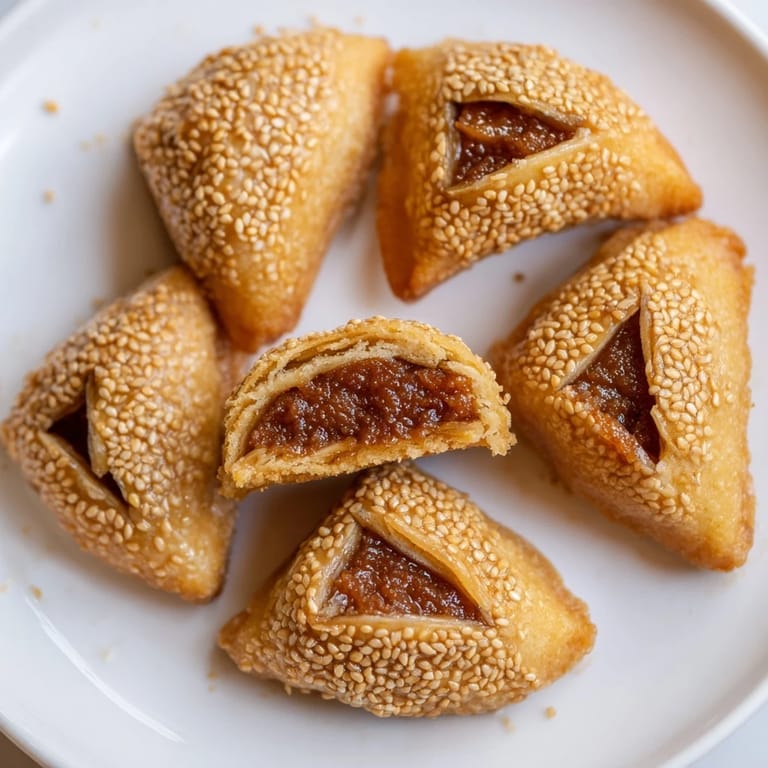
Makroudh keeps perfectly in an airtight container for a week, though they never last that long in my house. Serve them warm or at room temperature alongside strong mint tea, and they pair beautifully with coffee as well. They're also wonderful as a gift because they feel luxurious and homemade, wrapped in parchment and tied with string.
- If you want to serve them days later, warm them gently in a low oven to revive the crispness.
- For a baked version that uses no oil, try baking at 180°C for 25 to 30 minutes, then dip in the same honey syrup.
- Make double batches and freeze the unbaked, cut cookies in the freezer, then fry them straight from frozen, adding a minute or two to the cooking time.
 Pin It
 Making makroudh is a quiet kind of cooking, the sort that requires patience but rewards you immediately with cookies that taste like an invitation to slow down. Once you've made them once, you'll find yourself making them again and again.
Questions & Answers
- → What type of semolina is best for these pastries?
Fine semolina works best as it provides a smooth, tender dough that crisps nicely when cooked, creating the signature texture of these pastries.
- → Why is orange blossom water used in the date filling?
Orange blossom water adds a subtle floral aroma that enhances the natural sweetness of the dates and complements the warm spices.
- → Can these pastries be baked instead of fried?
Yes, baking at 180°C (350°F) for 25–30 minutes creates a lighter version while maintaining a golden crust before dipping in syrup.
- → How should the semolina dough be prepared for best results?
Mixing the semolina with melted butter and olive oil until sandy, then gently adding warm water and resting the dough helps achieve a soft yet pliable texture without overworking.
- → What is the purpose of the honey syrup dip?
Dipping the fried pastries in warm honey syrup adds moisture and a glossy finish while balancing the crispiness with sweetness.
- → Are these pastries suitable for vegetarians?
Yes, using butter and natural ingredients ensures these pastries align with vegetarian diets without animal-derived additives.