 Pin It
 I discovered chermoula at a small restaurant tucked into the medina of Marrakech, where an elderly woman in the kitchen shared her technique with me over steaming mint tea. The first bite of fish cloaked in that vibrant green paste—so alive with cilantro and lemon—made everything else fade away. When I finally recreated it at home, I realized the magic wasn't in any single ingredient but in how they converge into something that tastes like a place, a moment, a conversation I wanted to keep having.
I remember standing in my kitchen on a Tuesday evening, green flecks of cilantro all over my cutting board, my hands smelling like lemon and garlic, when my neighbor knocked with a bottle of wine. I hadn't planned to invite anyone over, but something about that marinade made me braver—I threw together whatever fish was in the freezer, coated it in that paste, and we ended up eating at midnight talking about everywhere we wanted to go.
Ingredients
- Fresh cilantro and parsley: Buy them the day you plan to use them—the fresher they are, the brighter your marinade will taste, and wilted herbs will make the whole thing feel tired.
- Garlic and shallot: Don't skip the mincing; the smaller the pieces, the more evenly they infuse the oil and distribute their punch.
- Lemon zest and juice: Use a microplane to get the oils from the skin without the bitter white pith, and choose a lemon heavy in your palm—that means juice.
- Cumin, paprika, coriander, cayenne: These spices are the backbone; they should smell warm and alive when you open their jars, not dusty and ancient.
- Extra-virgin olive oil: This is where you splurge a little—good olive oil carries the entire flavor profile and deserves to be tasted.
- Sea salt: It dissolves better than table salt and doesn't have that chemical aftertaste.
Tired of Takeout? 🥡
Get 10 meals you can make faster than delivery arrives. Seriously.
One email. No spam. Unsubscribe anytime.
Instructions
- Gather your herbs and aromatics:
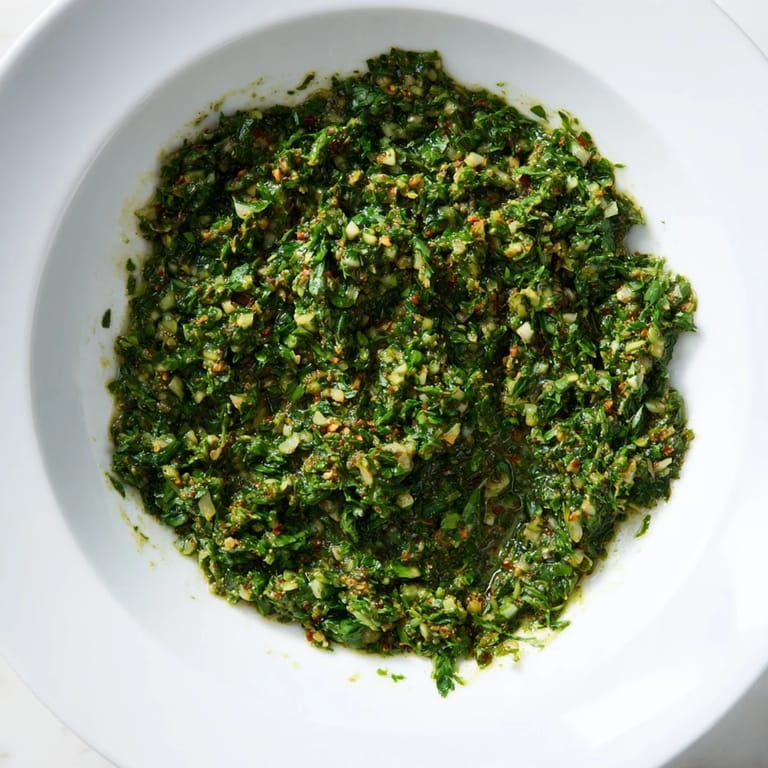
- Chop the cilantro and parsley into fine, even pieces—your knife should glide through them with barely any pressure. Mince the garlic and shallot until they're almost paste-like, releasing their sharp, pungent aroma.
- Build the foundation:
- In a medium bowl, combine the herbs and aromatics and let them sit for a moment. This is when the cilantro starts to bruise slightly and release its essential oils, preparing the way for what comes next.
- Add brightness:
- Zest the lemon directly into the bowl so those precious oils fall into the mix, then squeeze the juice through your fingers to catch any seeds. The bowl should smell instantly alive and sharp.
- Welcome the spices:
- Sprinkle in the cumin, paprika, coriander, cayenne, and black pepper, one at a time if you have the patience. Watch how the dry spices settle into the herbs like they've been waiting for each other.
- Pour in the olive oil:
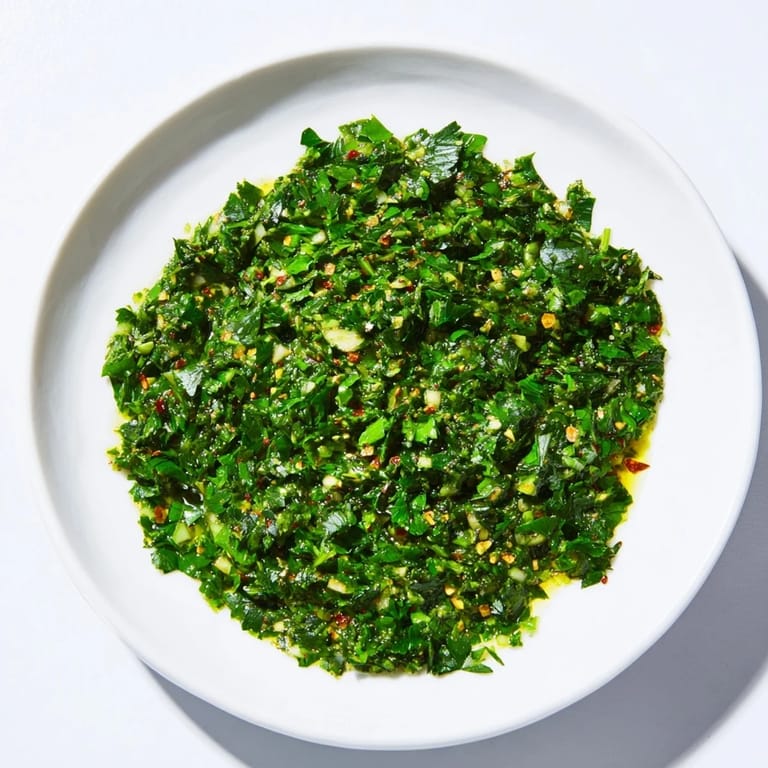
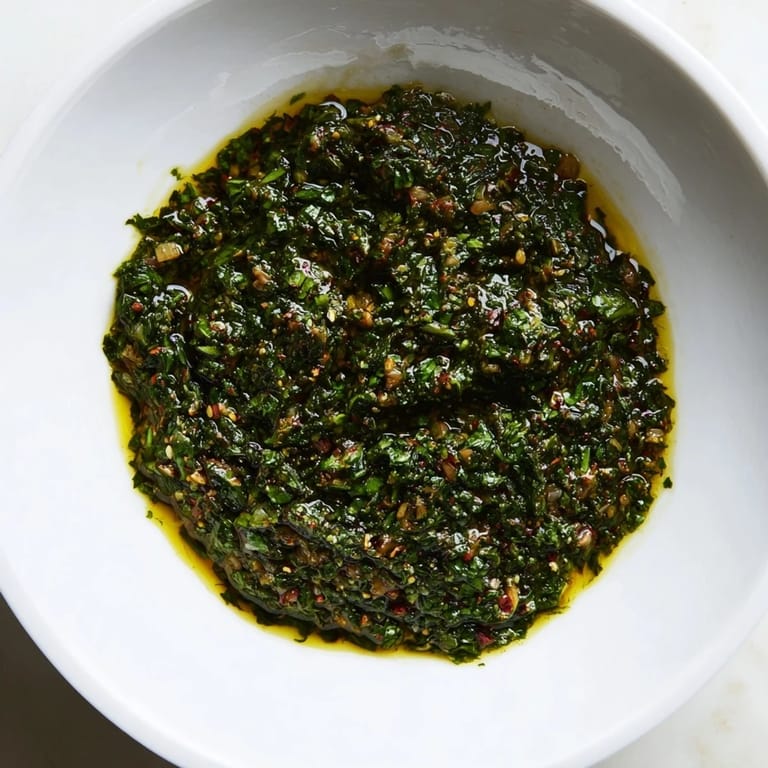
- Add it slowly, stirring as you go so everything incorporates evenly and you end up with a thick, glossy paste rather than a loose oil slick. Taste it—this is your moment to adjust.
- Season to your preference:
- Salt first, then taste, then add more lemon if you want brightness or a pinch more cayenne if you want heat. The marinade should feel confident on your tongue.
 Pin It
 The first time I brought this to a dinner party, a friend who'd spent years in Fez took one bite and closed her eyes. That small moment—when someone recognizes something true in what you've made—is when you realize that recipes are really just conversations across time and distance.
The Right Fish Matters
White fish with mild, delicate flesh—cod, sea bass, snapper—absorbs this marinade beautifully without competing with it. Oily fish like salmon or mackerel can handle the bold spices too, but they'll shift the flavor balance toward richness rather than brightness. Shrimp love chermoula just as fiercely as fish do; they cook faster, so watch them closely and don't let them marinate beyond an hour.
Beyond Fish
I've slathered this on chicken thighs roasted until the skin crisps and the marinade caramelizes into a dark, fragrant crust. Thick slices of eggplant or zucchini brushed with chermoula and grilled develop a smoky sweetness that feels unexpectedly luxurious. Even chunks of cauliflower roasted hot until the edges char take on an almost meaty dimension when coated in this paste.
Serving and Pairing
Chermoula works best when the dish around it stays simple—let the marinade be the star. Serve it with fluffy couscous or warm flatbread to soak up every drop, a crisp Sauvignon Blanc if wine is in the picture, and something cool and creamy on the side to balance the spice. A simple tomato salad or a cucumber yogurt sauce feels right, grounding all that aromatic intensity.
- Make extra chermoula and drizzle it over finished dishes just before serving for a burst of fresh flavor that tastes almost alive.
- This marinade keeps in a sealed jar in the refrigerator for up to a week, though the herbs will gradually darken and the flavors will meld and deepen.
- You can also use it as a condiment—dollop it on grilled vegetables, stir it into yogurt, or spread it on warm bread.
 Pin It
 This marinade is a reminder that the best cooking isn't complicated—it's just about respecting good ingredients and letting them speak. Make it once and you'll find reasons to make it again.
Questions & Answers
- → What herbs are used in this marinade?
Fresh cilantro and flat-leaf parsley provide a bright, herbal base that complements the spices.
- → Can this marinade be adjusted for less heat?
Yes, simply reduce or omit the cayenne pepper to suit milder tastes.
- → What types of fish pair well with this marinade?
White fish such as cod, snapper, and sea bass absorb the flavors beautifully.
- → Is this marinade suitable for other proteins?
It’s also delicious on shrimp, chicken, and vegetables for a versatile flavor boost.
- → How long should the marinade rest before cooking?
Allow fish to marinate for 30 minutes to 2 hours to fully develop the flavors.