 Pin It
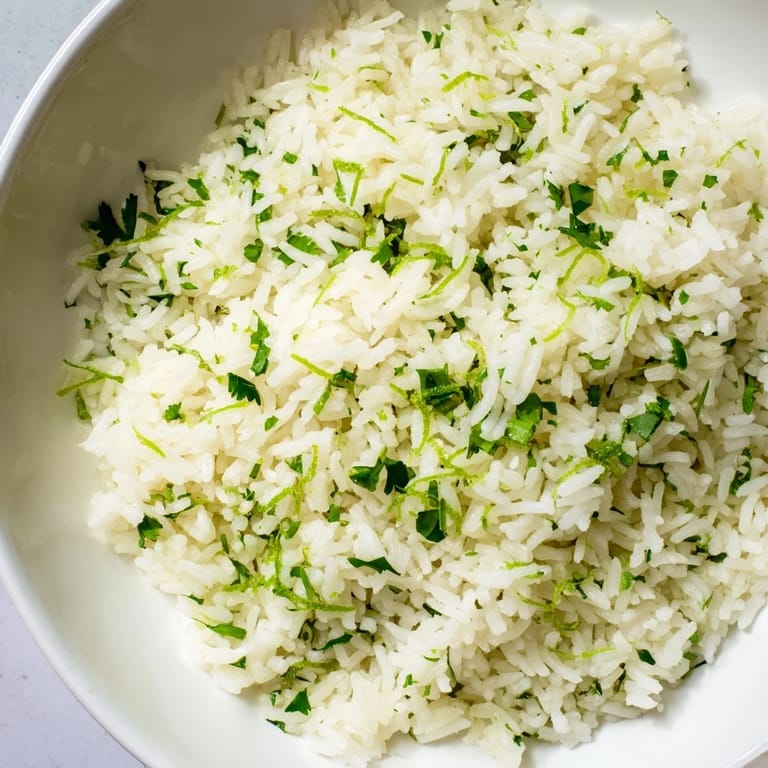
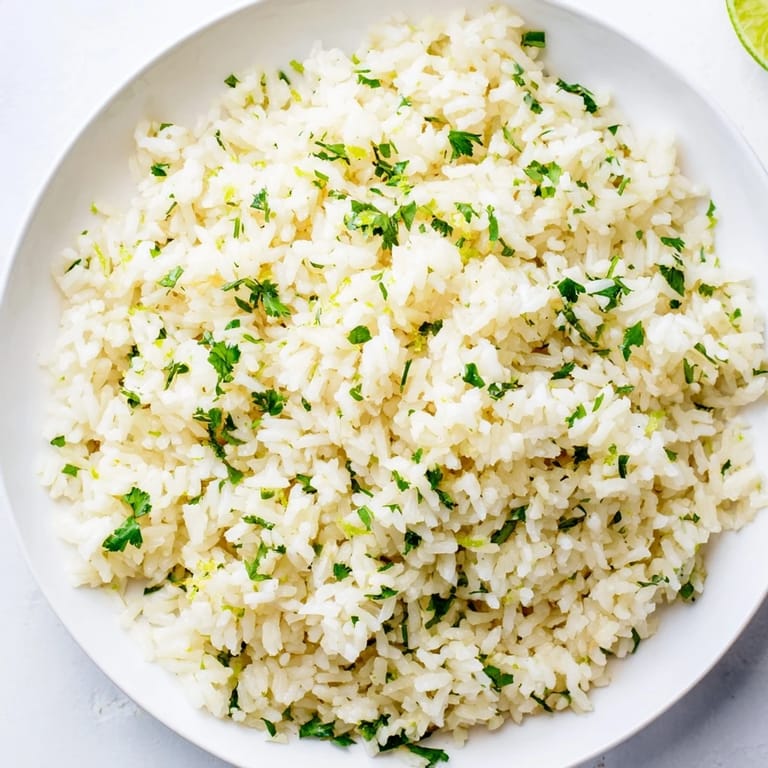
 There's something about the smell of cilantro hitting hot rice that makes me think of a Tuesday night when my neighbor invited me over for tacos. She handed me this simple cilantro lime rice as a side, and I watched how the bright green specks caught the light as she fluffed it with a fork. I asked for the recipe right there at the table, and she laughed—said it was barely a recipe at all, just rice cooked the regular way with a last-minute wake-up call of lime and fresh herbs. That's when I realized the best dishes don't need to be complicated to feel special.
I made this for a potluck once where everyone brought something heavy—casseroles, baked pastas, creamy salads. My rice showed up in a modest bowl, and I almost felt self-conscious until someone went back for thirds and asked what was in it. Turns out people are hungry for something that tastes alive, something that doesn't sit in your stomach like regret. That bowl got emptied faster than the fancy desserts.
Ingredients
- Long-grain white rice (basmati or jasmine): The thin grains stay separate and light; avoid short-grain varieties which get sticky and dull.
- Water: This is your blank canvas—the ratio stays simple at 2 parts water to 1 part rice, which is the golden rule for fluffy results every time.
- Unsalted butter: It gives the rice a subtle richness that coats each grain without overwhelming the delicate lime flavor that comes later.
- Salt: A half teaspoon might seem small, but it wakes up the rice before the cilantro and lime arrive to do the real work.
- Fresh cilantro: Finely chop it just before adding so it stays bright green and vibrant; rough chopping bruises the leaves and makes them taste bitter.
- Fresh lime juice and zest: The juice brings acidity and the zest adds an aromatic intensity that bottled juice can never quite match—don't skip the zest.
Tired of Takeout? 🥡
Get 10 meals you can make faster than delivery arrives. Seriously.
One email. No spam. Unsubscribe anytime.
Instructions
- Rinse the rice until clear:
- Hold the rice under cold water and rub it gently between your fingers, watching the water cloud and then gradually run clear. This removes the excess starch that would otherwise make your rice gluey and dense.
- Bring water to a boil with butter and salt:
- Listen for that rolling boil before you add anything—it matters because the rice needs to hit hot liquid to cook evenly. Stir in the rice, butter, and salt, then let the rice toast for about a minute, which deepens its flavor slightly.
- Lower heat, cover, and let it steam:
- Once you've covered the pot, resist the urge to peek; the steam does the work. Fifteen to eighteen minutes is usually right, but your ears will tell you when the liquid is gone—the gentle bubbling will go quiet.
- Rest covered for five minutes:
- This pause lets the rice relax and finish absorbing any remaining moisture, which is the secret to grains that are tender but not mushy.
- Fluff and fold in the flavors:
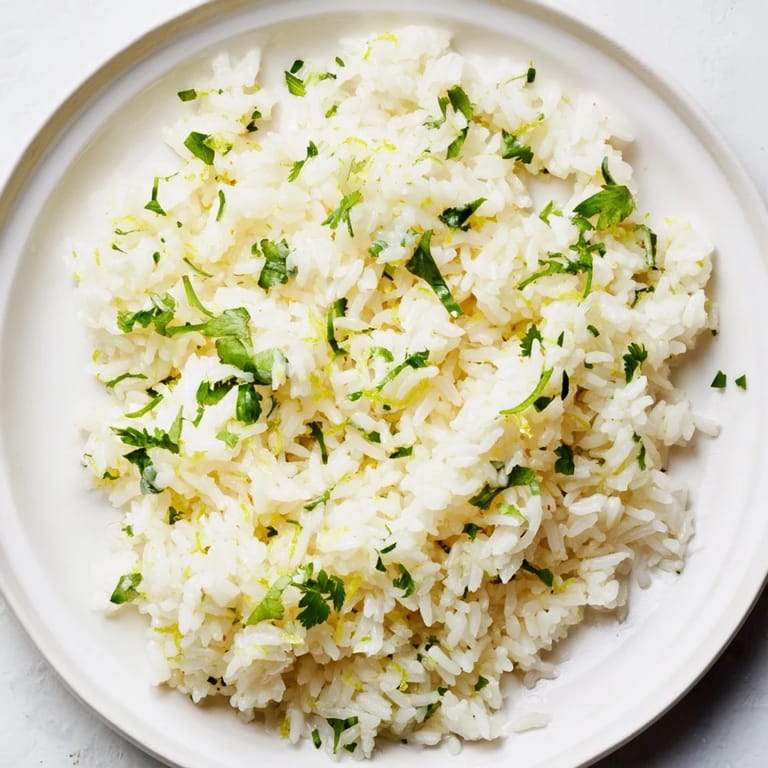
- Use a fork to gently separate the grains, then add the cilantro, lime juice, and zest all at once. Fold rather than stir so you don't mash anything, and taste as you go—you might want an extra squeeze of lime.
 Pin It
 My mom once served this rice at a family dinner where everyone was a little tense about something or other, and somehow the conversation just loosened up. Someone said the rice tasted like summer, and that one small compliment shifted the whole mood—reminding us that food can do more than fill stomachs, it can change the temperature of a room.
When to Make This
This rice shines whenever you're cooking something with bold flavors—grilled meats, fish tacos, or even a simple black bean situation. It's light enough that it won't fight for attention, but flavorful enough that it feels intentional and thoughtful. I reach for it on weeknight dinners when I want to feel like I made something special without actually spending much time in the kitchen.
Simple Variations That Work
If you want to push this in different directions, vegetable broth swapped for half the water adds depth without changing the whole personality of the dish. For a vegan version, olive oil replaces the butter just fine—use good olive oil and you might not even miss the dairy richness. Some people add a diced jalapeño or a handful of corn kernels, and that works too, though I usually keep it pure and simple.
The Little Details That Matter
The difference between good cilantro lime rice and the kind you forget about comes down to patience and paying attention. Don't rush the rinsing, don't peek too much during cooking, and don't add the lime until the very end. These aren't rules meant to complicate things—they're just the way this dish asks to be treated so it can be its best self.
- If you have a lime zester, use it for the zest rather than a box grater—it gets you longer, more aromatic strips that look prettier on the plate.
- Make sure your cilantro is completely dry before chopping, or it'll clump and turn dark when it hits the warm rice.
- This rice keeps well for three days refrigerated and reheats gently in a covered pot with a splash of water—though honestly, it's best when it's fresh.
 Pin It
 This rice has become my go-to side dish for the kind of meals that matter, whether that's feeding people I love or just taking care of myself on an ordinary Wednesday. It's simple enough to make whenever the mood strikes, but special enough to make you feel like you tried.
Questions & Answers
- → What type of rice works best for this dish?
Long-grain white rice, such as basmati or jasmine, is ideal because it cooks fluffy and absorbs flavors well.
- → Can I substitute lime juice with another citrus?
Yes, lemon juice can be used as a substitute, but it will alter the flavor profile slightly, making it less zesty.
- → How can I make this dish vegan-friendly?
Replace butter with olive oil or a plant-based alternative to keep the dish rich and dairy-free.
- → Is it necessary to rinse the rice before cooking?
Rinsing removes excess starch, preventing stickiness and resulting in a fluffier texture.
- → What are good pairings for this cilantro lime rice?
It pairs well with grilled meats, tacos, beans, or as a vibrant side for various Mexican-inspired dishes.
- → Can I use broth instead of water to cook the rice?
Yes, substituting vegetable broth for water enhances the flavor with additional savory notes.