 Pin It
 There's something almost meditative about the sound of vegetables hitting hot oil on a quiet afternoon. I'd been standing in my kitchen, still in my work clothes, when I decided to throw together whatever was in the fridge—ham from Sunday's dinner, a bag of lentils that had been waiting weeks, onions that were getting too soft to ignore. What emerged from that pot, an hour later, was this impossibly satisfying stew that tasted like it had been simmering for days. Since then, it's become my go-to answer when I need something real and nourishing without the fuss.
I made this for my neighbor once when her heating had broken and she was huddled at my place on a frigid February evening. I remember her expression when she tasted it—this moment where her shoulders literally dropped. She asked if I'd been simmering it all day, and I had to laugh because it was barely an hour old. That's when I realized this stew had something special: it feels like comfort in a bowl, the kind of thing that makes people feel genuinely cared for.
Ingredients
- Cooked ham, diced (250 g): Use quality ham if you can—the difference between smoky, tender ham and the rubbery stuff is night and day in this stew.
- Dried brown or green lentils, rinsed (250 g): Brown and green lentils hold their shape beautifully, unlike red lentils which would turn to mush and muddy your broth.
- Medium onions, finely chopped (2): These become almost sweet as they soften, creating the flavor foundation that everything else builds on.
- Medium carrots, diced (2): They add natural sweetness and a slight earthiness that balances the saltiness of the ham.
- Celery stalks, diced (2): This is the holy trinity secret—celery brings a subtle, almost savory depth that makes people wonder what's in here.
- Garlic cloves, minced (3): Never skip this step; raw garlic cooked for just a minute adds a fragrant undertone that elevates everything.
- Low-sodium chicken or vegetable stock (1.2 L): Low-sodium is crucial because the ham brings plenty of salt; you're building layers, not drowning it.
- Bay leaf (1): This tiny leaf does surprisingly heavy lifting—remove it before serving or your guests might bite into a pleasant surprise they weren't expecting.
- Dried thyme (1 tsp): Thyme has this almost piney, earthy quality that complements ham and lentils in ways I still don't fully understand but deeply appreciate.
- Smoked paprika (½ tsp): This is the ingredient that makes people ask if you smoked the ham yourself; it's a total flavor multiplier.
- Salt and freshly ground black pepper: Taste as you go because the ham is already salty, and you might need less than you'd expect.
- Fresh parsley, chopped (2 tbsp, optional): The brightness of parsley at the end cuts through the richness and makes each spoonful feel fresh.
- Olive oil (1 tbsp): This is where sautéing magic starts; don't skip it or cheap it out.
Tired of Takeout? 🥡
Get 10 meals you can make faster than delivery arrives. Seriously.
One email. No spam. Unsubscribe anytime.
Instructions
- Heat your oil and build the flavor base:
- Pour the olive oil into a large, heavy-bottomed pot and let it shimmer over medium heat for about a minute. Add your onions, carrots, and celery all at once, and let them sizzle for 6 to 8 minutes, stirring occasionally, until they're soft and the onions have turned translucent and slightly golden at the edges.
- Wake up the garlic:
- Stir in your minced garlic and cook for just about a minute until the kitchen smells absolutely incredible. You'll know it's right when the raw, sharp edge is completely gone and it's turned fragrant and warm.
- Introduce the ham:
- Add your diced ham and let it warm through for about 2 minutes, stirring it around so it gets coated with all those beautiful cooked vegetables and the oil.
- Bring it all together:
- Add the lentils, bay leaf, thyme, smoked paprika, and stock to the pot along with a pinch of salt and pepper. Stir everything really well so nothing sticks to the bottom, then turn up the heat and bring it to a boil—you'll see the liquid bubbling actively.
- Let it simmer low and slow:
- Once it's boiling, reduce the heat to low, place a lid on the pot, and let it bubble gently for 35 to 40 minutes. Give it a stir every 10 minutes or so—the lentils will gradually soften and absorb the flavors, and the broth will deepen into something rich and almost velvety.
- Finish and taste:
- Remove the bay leaf carefully, then taste a spoonful. Adjust the salt and pepper to your preference—remember that ham has already contributed saltiness, so taste before you add more.
- Serve with warmth:
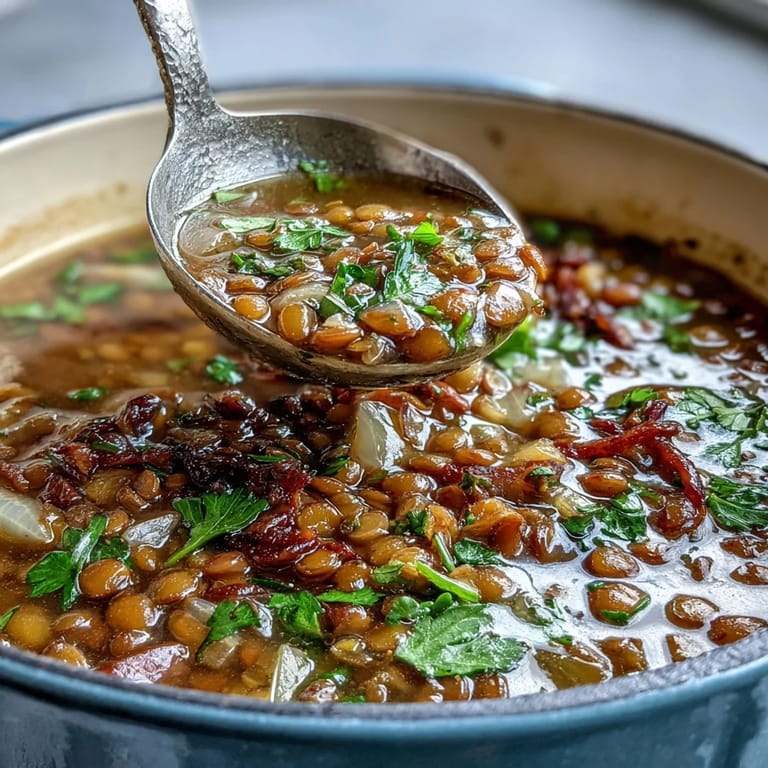
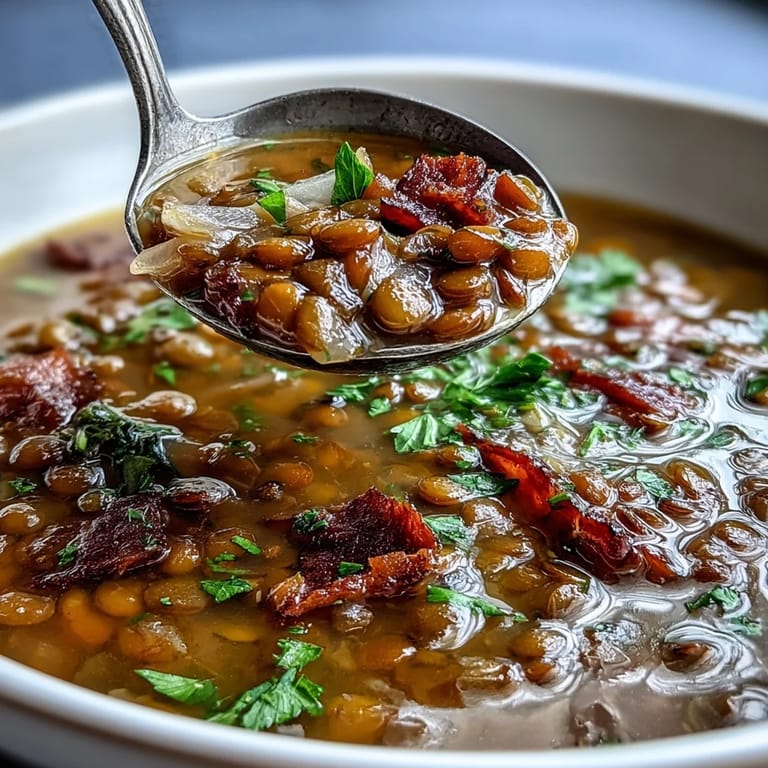
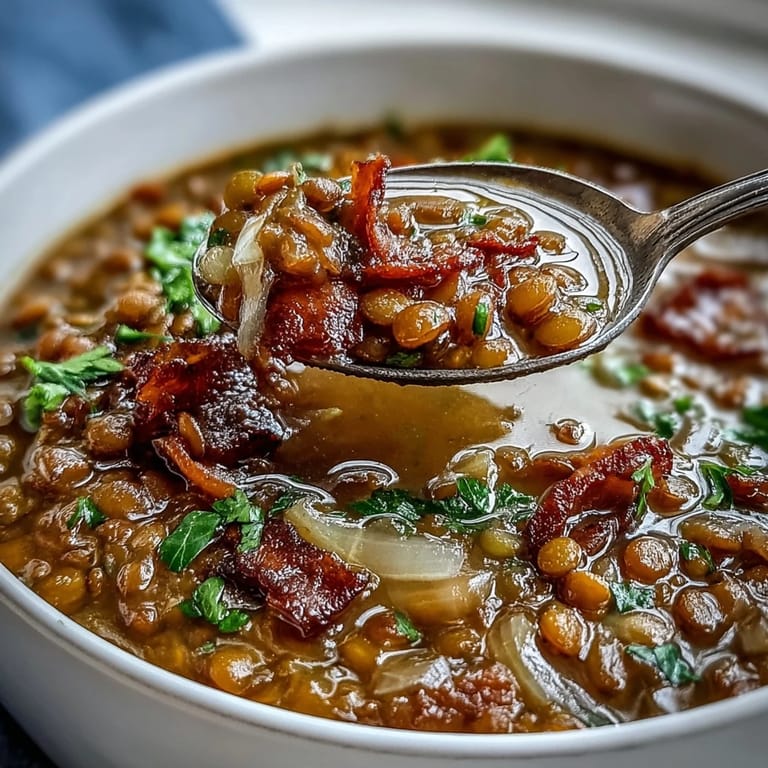
- Ladle the stew into bowls, scatter fresh parsley on top if you have it, and serve while it's steaming hot, ideally with crusty bread for soaking up every drop.
 Pin It
 There's a moment, about halfway through eating this stew, where you stop thinking about the ingredients and just exist in the warmth of it. That's when I know I've gotten it right. It's become the recipe I make when someone needs feeding, when the weather turns cold, or when I need to feel like I'm taking care of myself.
Why This Stew Works So Well
The beauty of this recipe is that every component serves a real purpose. The lentils aren't just protein filler—they absorb the flavors around them and become almost creamy as they cook. The ham isn't just a seasoning; it's genuinely the main event, and that smoky quality intensifies as the stew simmers. The vegetable base creates this sweet, savory foundation that holds everything together, and the single bay leaf and thyme prevent the whole thing from feeling flat or one-dimensional.
How to Adapt This for Different Tastes
I've made this stew for vegetarians by simply omitting the ham and adding extra carrots, celery, and a handful of mushrooms for deeper flavor. I've also experimented with different types of lentils—Puy lentils stay firmer and have a slightly peppery edge, while green lentils sit somewhere in the middle. The smoked paprika is doing a lot of heavy lifting if you're going vegetarian, so I don't skip it even once. Once you understand how the flavors interact, you can play around and make this recipe entirely your own.
Storage and Reheating Tips
This stew actually improves over time, which is one of my favorite things about it—the flavors settle and deepen, and it tastes noticeably better on day two than it does fresh. Store it in an airtight container in the refrigerator for up to four days, or freeze it in portions for up to three months. When you reheat it, do it gently over medium-low heat with a splash of stock or water if it's thickened too much, and never let it scorch on the bottom of the pot because that's where bitterness starts to creep in.
- Serve it alongside crusty bread, over rice, or even with a simple green salad if you want to lighten it up slightly.
- A dollop of Greek yogurt or a squeeze of fresh lemon juice can brighten the flavors if it ever feels too heavy.
- Leftover stew makes an incredible lunch the next day and often tastes even more satisfying when you're reheating something you already loved.
 Pin It
 This one-pot stew has become my answer to almost any cooking question, because it's honest food that doesn't pretend to be something it's not. Make it tonight, and I promise you'll find yourself making it again.
Questions & Answers
- → Can I make this stew vegetarian?
Yes, simply omit the ham and increase vegetables or substitute with smoked tofu for a similar smoky depth.
- → What type of lentils work best?
Brown or green lentils hold their shape well and offer a tender, hearty bite when cooked slowly in the stew.
- → How can I enhance the smoky flavor?
Use smoked paprika and ensure the ham is nicely smoked. You might also add a dash of liquid smoke if desired.
- → Is it gluten-free?
Yes, provided the stock you use is certified gluten-free and no wheat-based additives are included.
- → How long does the stew keep?
It stores well covered in the refrigerator for up to 3 days and the flavors tend to deepen overnight.
- → What side dishes pair well?
Crusty bread or a fresh green salad complement the stew nicely and add texture contrast.