 Pin It
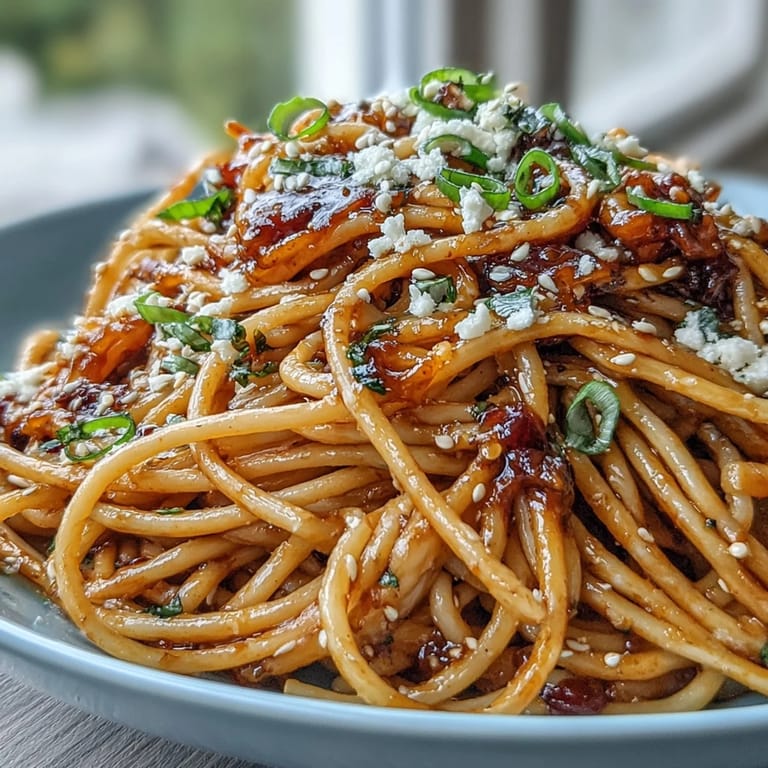
 Steam curling up from a skillet of sizzling garlic always signals something good is about to happen. On a muggy evening last summer, I found myself rifling through the fridge for inspiration, when a tub of gochujang caught my eye. Mixing it with butter felt daring, and as soon as that first spoonful hit the pan, the peppery aroma practically begged the neighbors to knock. There's a thrill when sweet and spicy meet rich and creamy, especially when it clings to pasta. This dish became an instant kitchen classic, more out of happy accident than planning.
One weekday, my friend Lisa dropped by unexpectedly—both of us hungry, both too tired for takeout. As soon as the gochujang butter hit the noodles, we quietly grinned and clinked bowls like wine glasses. Some dishes are better when shared, even if it means eating straight from the pot.
Ingredients
- Pasta (200 g spaghetti or linguine): Choose a shape that soaks up sauce—spaghetti's always my move when I'm craving that slippery, satisfying twirl.
- Salt for boiling water: Heavily salting the water is essential—it’s your invisible flavor builder.
- Unsalted butter (2 tablespoons): Don’t skimp; it mellows the chili and brings lushness to every strand.
- Garlic (3 cloves, finely minced): Chop finely for even flavor—burnt bits will ruin the vibe, so stay close.
- Gochujang (2 tablespoons): This fiery Korean chili paste is the main event; start here and tweak to your kick-level.
- Soy sauce (2 tablespoons): It adds backbone and umami; use low sodium if you like things lighter.
- Honey or maple syrup (1 tablespoon): Just a touch mellows the heat and lifts the flavors—my trick for balance.
- Pasta cooking water (60 ml): Save some before draining; its starch turns your sauce silky.
- Spring onions (2, thinly sliced): They add sharpness and color—scatter with abandon.
- Toasted sesame seeds (1 teaspoon): For crunch and a whiff of nutty warmth; toast fresh if you have time.
- Freshly ground black pepper: Let everyone finish their own bowl for that perfect kick.
Tired of Takeout? 🥡
Get 10 meals you can make faster than delivery arrives. Seriously.
One email. No spam. Unsubscribe anytime.
Instructions
- Boil the Pasta:
- Fill your largest pot with water and salt it heavily—it should taste like the sea. Cook pasta just until al dente, reserving some starchy water before draining.
- Start the Sauce:
- Melt butter in a roomy skillet over medium heat, swirling as it foams. Add garlic and stir gently, inhaling that savory perfume without letting it brown.
- Build the Heat:
- Stir in gochujang, soy sauce, and honey, letting them sizzle into a shiny, crimson syrup—don’t rush this, it’s the soul of the dish.
- Toss It All Together:
- Tip in the drained pasta with a splash of reserved water, tossing and swirling until every noodle glistens. The sauce will thicken and cling—just keep moving it around for about 2 minutes.
- Garnish and Serve:
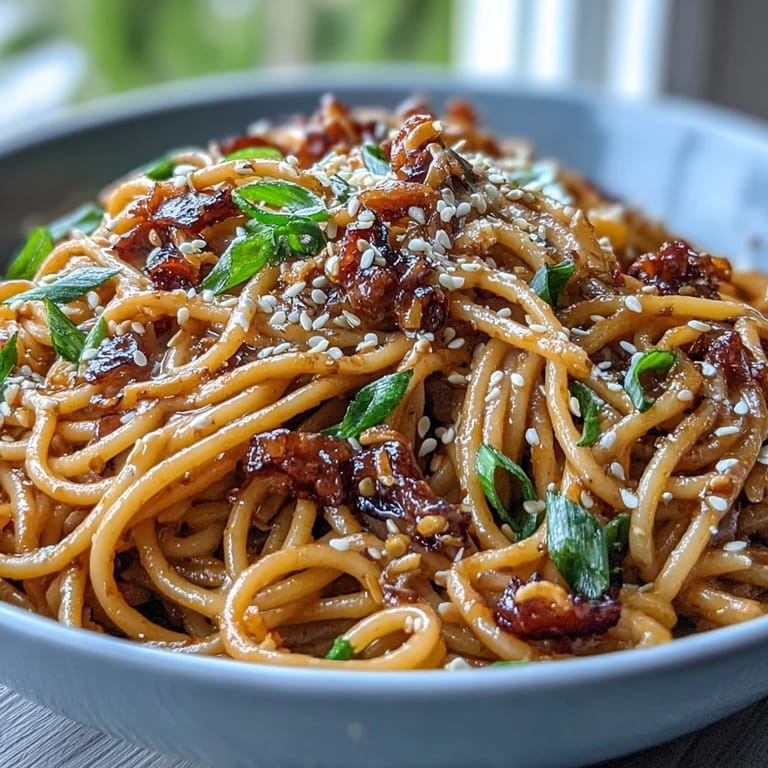
- Slide the pasta into bowls and rain down spring onions, sesame seeds, and a crank of black pepper. Grab a fork and eat while it’s steaming hot—trust me, it’s best that way.
 Pin It
  Pin It
 The night I made this dish to celebrate a tiny win at work, the kitchen was filled with laughter, steam, and the tap of chopsticks against bowls. It felt like more than a meal—it was a small but mighty reward, and each bite tasted like triumph.
What to Serve With Gochujang Butter Pasta
When I want to round out the meal, a quick side of garlicky sautéed spinach or a crisp cucumber salad brings freshness and crunch against the rich sauce. Sometimes I’ll pair it with a glass of chilled riesling or even sparkling water with lemon to cool off the heat between bites.
How to Make it Vegan or Gluten-Free
Swapping in vegan butter and a drizzle of maple syrup keeps the spirit of the dish alive without any dairy. For gluten-free peace of mind, use your favorite GF pasta and double-check the gochujang and soy sauce labels—they’re sneaky spots for hidden wheat.
Simple Add-Ins For Extra Goodness
I love tossing in sautéed mushrooms or a handful of fresh spinach just before serving for a colorful, veggie-packed twist. Sometimes, a jammy soft-boiled egg or cubes of crispy tofu transform it into a full, hearty meal right in one bowl.
- Remember to taste as you go—gochujang brands vary in spice.
- A splash of lemon right before serving can brighten everything.
- If leftovers thicken, a quick splash of hot water revives them instantly.
 Pin It
  Pin It
 Share this pasta with someone who loves a little surprise heat—there’s no better way to stir up smiles. The best kitchen moments often start with a spoonful of something unexpected.
Questions & Answers
- → How can I adjust the spice level?
Taste as you go and start with 1 tablespoon of gochujang if you prefer milder heat. Balance heat with a little extra honey or maple syrup, or add more butter to mellow the spice. A squeeze of lime can also brighten without increasing heat.
- → What makes the sauce glossy and cling to the pasta?
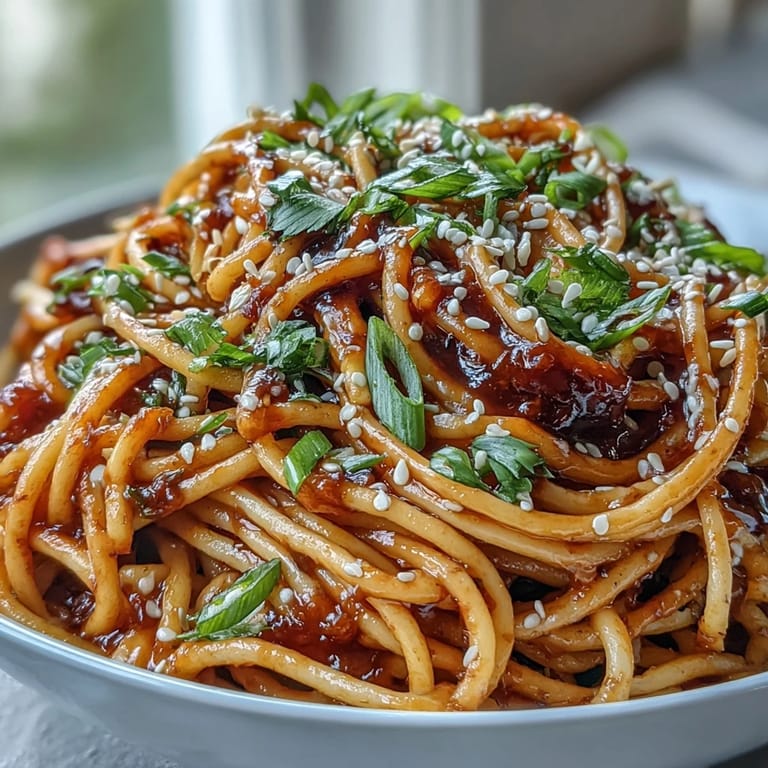
Starchy pasta cooking water emulsifies the butter and gochujang into a silky, glossy sauce. Reserve about 1/4 cup, add it gradually while tossing over medium heat, and cook briefly until the sauce thickens and coats the strands.
- → Can I make this dish vegan or gluten-free?
For vegan, swap unsalted butter for a plant-based butter and use maple syrup instead of honey. For gluten-free, choose gluten-free pasta and a gluten-free tamari in place of soy sauce, and check gochujang labels for gluten-free certification.
- → Which pasta shape works best?
Long strands like spaghetti or linguine are ideal because the glossy sauce clings to each strand. Short shapes like penne will work, but you may need slightly more sauce and tossing time for even coating.
- → What additions complement this dish?
Sautéed mushrooms or wilted spinach add texture and veggies; top with a soft-boiled egg or crispy tofu for protein. Finish with sliced spring onions and toasted sesame seeds for freshness and crunch.
- → How should I store and reheat leftovers?
Store in an airtight container in the fridge for up to 2 days. Reheat gently in a skillet over low heat with a splash of water or broth to revive the sauce and prevent drying out.