 Pin It
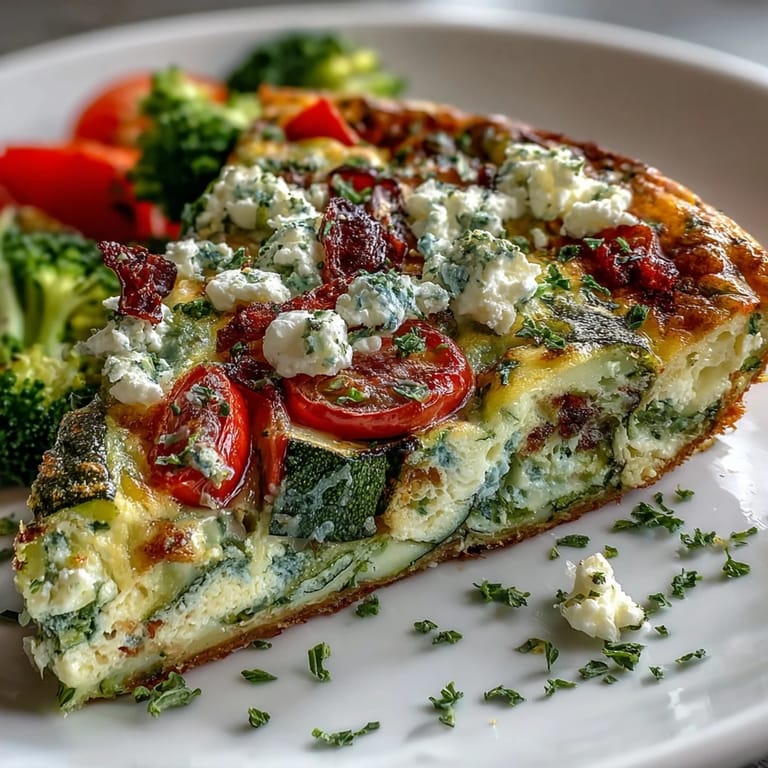
 Sunday mornings at my place used to mean scrambled eggs and regret by noon. Then I discovered that egg whites could become something almost elegant when you load them with vegetables and let the oven do the heavy lifting. There's something satisfying about pouring what looks like a simple mixture into a hot skillet and watching it transform into this fluffy, golden-topped frittata that tastes way more indulgent than it actually is. This one has become my go-to when I want to feel good about what I'm eating without feeling like I'm missing out.
I made this for my friend Maya last month who'd mentioned wanting to eat lighter, and watching her come back for seconds was telling. She kept asking what made it taste so good when it was basically just vegetables and egg whites, and honestly, it's the combination of fresh herbs, the slight char on the broccoli, and the way the feta gets slightly crispy on top if you use it. We ended up sitting on the porch with coffee for hours after, and she asked for the recipe before she left—that's always the moment you know you've found something worth keeping.
Ingredients
- Baby spinach: Wilts down dramatically, so don't be shy with the full cup—it adds iron and barely takes up space once cooked.
- Broccoli florets: Chop them small so they cook through in the sauté pan and distribute evenly throughout the frittata instead of leaving big raw chunks.
- Red bell pepper: The sweetness balances the earthiness of everything else, and the bright color makes the finished dish look alive.
- Zucchini: Adds volume and moisture without heaviness, but don't skip drying it if it's very wet or your frittata might get watery.
- Red onion: Keeps its slight bite even after cooking, which prevents the whole thing from tasting flat and one-note.
- Cherry tomatoes: These go on top in the last few minutes, so they stay bright and burst slightly in your mouth instead of turning into little sad raisins.
- Liquid egg whites: The carton version is convenient and consistent, but if you're separating fresh eggs, make sure zero yolk sneaks in or the texture shifts.
- Low-fat feta cheese: Completely optional, but a small scatter adds a salty punch that makes you feel indulgent—don't skip it if you can have dairy.
- Fresh parsley: Sprinkle it into the egg mixture, not just on top, so the brightness isn't just visual.
- Dried oregano and garlic powder: Keep the seasoning profile Mediterranean and prevent the vegetables from tasting bland and forgettable.
Tired of Takeout? 🥡
Get 10 meals you can make faster than delivery arrives. Seriously.
One email. No spam. Unsubscribe anytime.
Instructions
- Get your oven ready:
- Set it to 375°F while you prep everything else so it's truly hot when the frittata goes in. A cool oven means a longer cooking time and a potentially rubbery top.
- Prepare your vessel:
- Use a 9-inch oven-safe skillet if you have one—ceramic or cast iron both work, but the skillet size matters because it affects how thick the frittata gets and how evenly it cooks. Coat it lightly with nonstick spray or a teaspoon of olive oil.
- Sauté the harder vegetables first:
- Heat the skillet over medium and add the onions, bell pepper, and broccoli, cooking for 3 to 4 minutes until they start to soften but still have slight resistance when you bite them. This matters because they'll keep cooking in the oven and you don't want them falling apart.
- Add the softer vegetables:
- Toss in the zucchini and spinach and cook for 2 to 3 minutes until the spinach wilts and the zucchini starts to give when you stir it. The whole pan should smell grassy and alive at this point.
- Build your egg mixture:
- In a separate bowl, whisk together the egg whites with the garlic powder, oregano, black pepper, salt, and fresh parsley until everything is evenly distributed. Don't skip the whisking—you want the herbs throughout, not all sitting at the bottom.
- Combine vegetables and eggs:
- Stir the sautéed vegetables into the egg mixture gently so you don't deflate the eggs, then pour everything into the prepared skillet. It should come about three-quarters of the way up the sides.
- Top with tomatoes and cheese:
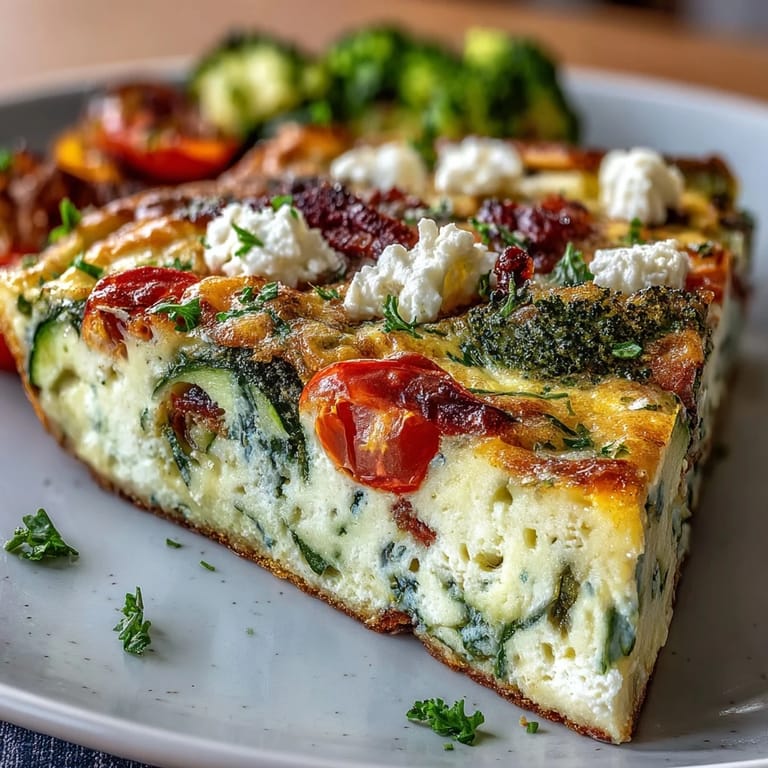
- Scatter the cherry tomato halves and crumbled feta across the top—they'll cook slightly but stay distinct and textured instead of disappearing into the eggs.
- Bake until set:
- Put the skillet in the oven for 20 to 25 minutes, watching around minute 18 for the moment when the top goes from wobbling to barely jiggling in the center. It should be lightly golden, not pale and not brown.
- Rest and serve:
- Let it cool for 5 minutes in the pan so it firms up enough to slice cleanly instead of crumbling when you cut into it. Run a spatula around the edges and slide it onto a cutting board or serve right from the skillet.
 Pin It
 There was one morning when I pulled this out of the oven and the kitchen smelled so good that my roommate—who doesn't eat breakfast usually—came and hovered in the doorway asking what was happening. We ended up sharing a slice with coffee before work, barely speaking, and he just said, "This tastes like something fancy." That's when this dish stopped being about hitting my protein goals and started being about how food can be simple and nourishing and feel special all at the same time.
Vegetable Swaps That Actually Work
The vegetables listed are a strong foundation, but this frittata is forgiving enough to follow your preference or what's actually in your crisper drawer. Mushrooms work beautifully if you chop them small and cook them down first since they release water—cremini or baby bellas won't make the frittata watery if you let them dry out slightly in the hot pan. Asparagus is elegant if you cut it into half-inch pieces and add it with the broccoli. Kale works if you massage it with a tiny bit of oil and chop it finely so it doesn't stay tough and stringy. The only real rule is to keep the total vegetable volume around 4 cups and to respect cooking times—things that need longer go in earlier, delicate things go in later.
Flavor Building and Seasoning
Egg whites are neutral in a way that lets herbs and spices do real work, so don't treat this like a blank canvas that needs to be timid. Fresh parsley in the eggs and dried oregano create a Mediterranean backbone, but once you understand that framework, you can drift in different directions. A pinch of smoked paprika adds a subtle depth that nobody can quite identify but that makes them ask what's in it. Chili flakes give it a sneaky warmth without being actually spicy. Red pepper flakes scattered on top after cooking add brightness and heat that you control with the amount. Lemon zest whisked in with the egg whites creates something more sophisticated than you'd expect from a weeknight brunch.
Making It Your Own
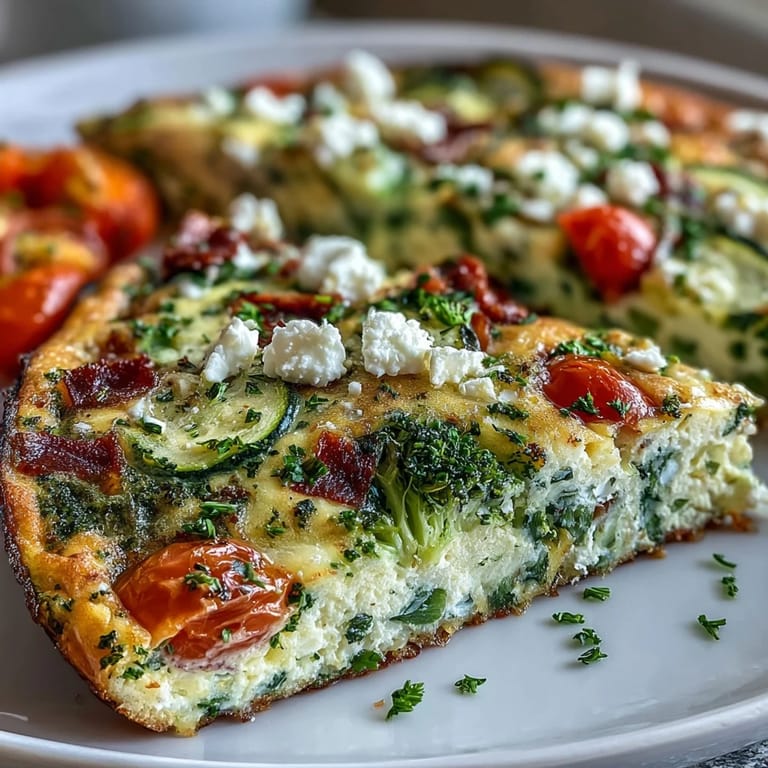
This frittata is at its best when you stop thinking of it as a strict formula and start thinking of it as a structure you can lean on. The oven-safe skillet method works for almost any combination of vegetables and proteins you want to pile in, which is why I've made versions with goat cheese instead of feta, with fresh basil instead of parsley, with sun-dried tomatoes, with roasted garlic. The constants are the egg whites, the oven temperature, and the cooking time—those stay the same, but everything else is genuinely yours to decide.
- Make it the night before by preparing everything except baking, then pop it straight from the fridge into the oven in the morning for 5 extra minutes.
- Slice leftovers and reheat them gently the next day—they taste good cold too, actually, if you're meal prepping.
- Serve it with a simple salad and whole grain toast to make it feel like a complete, thoughtful meal instead of just breakfast.
 Pin It
 This frittata has become my answer to every situation where I want to feel nourished without feeling like I'm punishing myself, and it's simple enough that it works whether you're cooking for yourself or feeding people you want to impress. It's one of those recipes that proves good food doesn't have to be complicated or heavy to be worth making.
Questions & Answers
- → Can I use whole eggs instead of egg whites?
Yes, whole eggs can be used but will increase the dish's fat and calorie content, altering the lightness.
- → What vegetables work best in this frittata?
Spinach, broccoli, bell pepper, zucchini, onions, and cherry tomatoes add great texture and flavor—feel free to swap with favorites like mushrooms or kale.
- → Is feta cheese necessary?
Feta is optional; it adds a salty, creamy element but can be omitted for a dairy-free option without sacrificing flavor.
- → How do I prevent the frittata from sticking to the pan?
Coat the oven-safe skillet with nonstick spray or a thin layer of olive oil before adding the mixture to ensure easy removal.
- → What is the ideal baking temperature and time?
Bake at 375°F (190°C) for 20–25 minutes until the center is set and the top turns lightly golden.
- → Can this dish be prepared ahead of time?
Yes, it can be assembled in advance and baked when ready; leftovers refrigerate well and reheat easily.