 Pin It
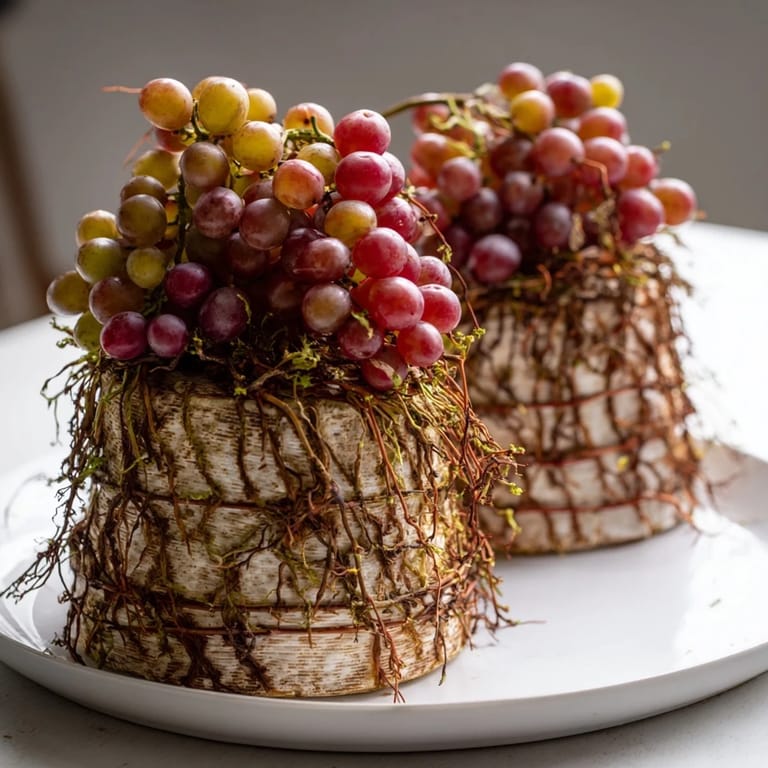
 There's something about a rustic cheese board that stops conversations mid-sentence. I discovered this the summer I visited a small vineyard in the countryside, where the owner casually draped actual grapevines across wheels of fresh cheese like it was the most natural thing in the world. The vines weren't decoration—they were part of the story, connecting the cheese back to the earth it came from. That simple gesture changed how I thought about presenting food at gatherings.
I made this for my cousin's engagement party, and honestly, I was nervous about something so minimal feeling grand enough. But the moment guests walked in and saw those grapevines cascading over the cheese wheels, the whole room leaned in. One friend actually asked where I'd sourced the vines—she thought I'd flown them in fresh. That's when I realized the best dishes aren't about complexity; they're about letting beautiful things speak for themselves.
Ingredients
- Young, rustic cheese wheels (2 large, about 1.5 kg each): Look for tomme, young pecorino, or farmhouse varieties—the softness and irregular edges matter more than a perfect name. They should smell earthy and feel slightly yielding to the touch.
- Fresh grapevine branches (3–4 long untreated ones): This is where the magic lives; make sure they're organic and pesticide-free, with leaves and stems intact. Wash them gently and let them dry completely before arranging.
- Fresh grapes (500 g, red, green, or mixed): Leave them on the stem when possible—they look lusher and guests can grab a handful without thinking about it.
- Baguette or rustic country bread: A good bread transforms this from appetizer to meal; choose something with character and a sturdy crust that won't crumble.
- Assorted nuts (100 g, walnuts or almonds work best): Toasted or raw, these add texture and earthiness that echoes the vineyard theme.
- Dried fruits (100 g, figs or apricots): These bridge the gap between sweet and savory, giving guests little flavor surprises as they graze.
Tired of Takeout? 🥡
Get 10 meals you can make faster than delivery arrives. Seriously.
One email. No spam. Unsubscribe anytime.
Instructions
- Set your stage with the vines:
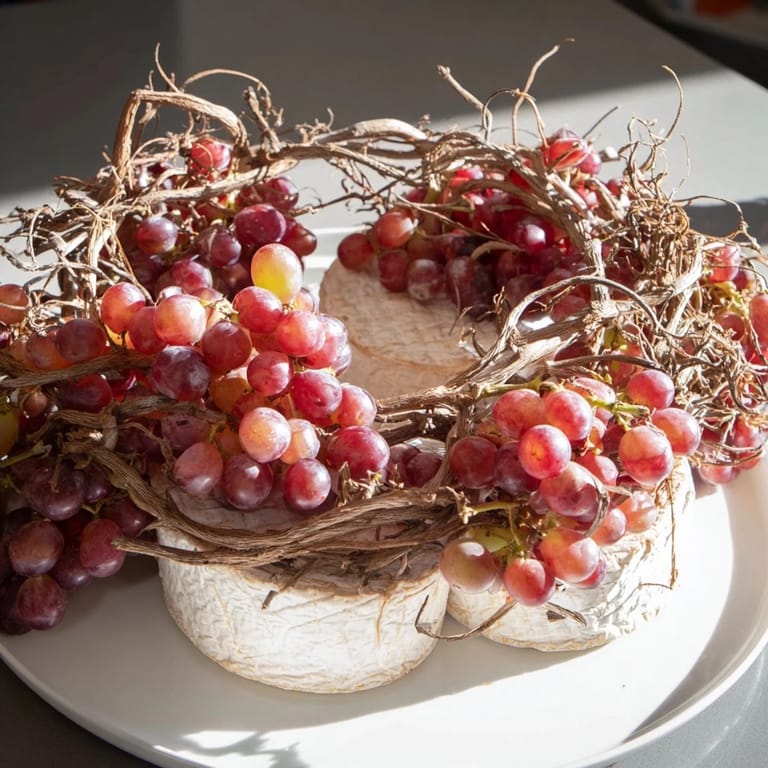
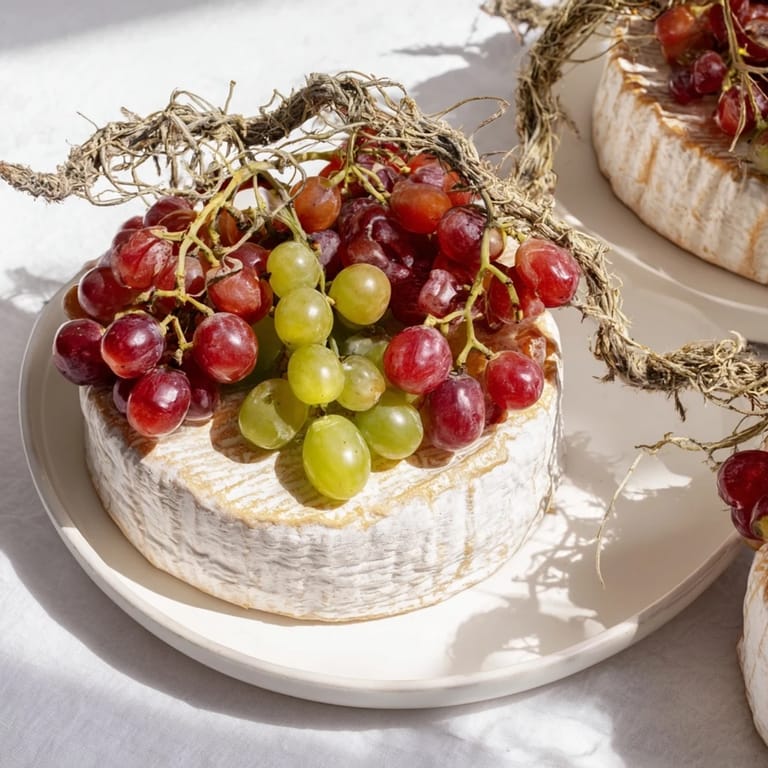
- Lay your grapevine branches across and around the cheese wheels on a large wooden board, letting them drape loosely and naturally. Think of them as vines reclaiming space, not arranged furniture.
- Nestle the grapes:
- Tuck fresh grape clusters into the curves of the vines and around the cheese wheels, filling gaps with color. The vines and grapes should look like they belong together, which they do.
- Build your support cast:
- Arrange sliced bread, nuts, and dried fruits in small, loose clusters around the board. Leave breathing room—overcrowding kills the rustic feel instantly.
- Serve and watch the magic happen:
- Present everything at room temperature. Stand back and let guests cut their own cheese slices, pairing them with grapes, bread, and whatever else catches their eye.
 Pin It
 The real moment this dish became more than just cheese and bread was watching my grandmother sit down and eat slowly, really tasting each bite. She said it reminded her of her childhood in France, of village markets and summer afternoons. Suddenly I understood—this isn't a recipe, it's an invitation to slow down and remember why we gather around food in the first place.
The Vineyard Connection
There's poetry in serving cheese with the very vines it might have grown near. When you arrange this board, you're not just plating ingredients—you're creating a narrative about where food comes from. The grapevines become visual storytellers, reminding everyone that this cheese started as milk, and those grapes came from soil and sun. It's humble and elegant at once, which is exactly what rustic food should be.
Pairing and Wine
The best part about this board is how forgiving it is with drinks. A crisp white wine like Sauvignon Blanc or Pinot Grigio cuts through the richness of the cheese without competing with it. If you prefer red, something light and cool like a young Beaujolais won't overpower the delicate flavors of the grapes and cheese.
Building Your Perfect Board
The secret to making this feel effortless is accepting that it doesn't need to be perfect. Imperfect draping of vines, uneven bread slices, and random nut placement all add to the rustic charm. I've learned that the boards people remember are the ones that look like they came together naturally, not ones that feel overwrought.
- If you can find local honey or really good olive oil, a light drizzle over the cheese adds another layer of sophistication without extra work.
- Prep the board no more than an hour before serving so the bread stays fresh and the grapes don't start leaking juice.
- Use a wooden board large enough that everything feels spacious—crowding kills the whole aesthetic.
 Pin It
 This board has taught me that the most memorable dishes aren't always the most complicated. Sometimes the best meals are the ones where you simply respect your ingredients and let them shine. Serve this, and you'll understand why gathering around food matters.
Questions & Answers
- → What type of cheese works best for this dish?
Young, rustic cheeses like tomme or pecorino offer the ideal texture and flavor to complement the fresh grapevines and grapes.
- → Can I use grape leaves instead of whole grapevines?
Yes, substituting grape leaves is acceptable if untreated grapevines are unavailable, maintaining the fresh vineyard aesthetic.
- → How should the grapevines be prepared before assembling?
Grapevine branches should be washed thoroughly and dried to ensure cleanliness and preserve their natural look.
- → What accompaniments pair well with this board?
Sliced rustic bread, assorted nuts, and dried fruits enhance the flavors and textures alongside the cheese and grapes.
- → Is this dish suitable for vegetarians and gluten-free diets?
Yes, the main components are vegetarian and gluten-free; just omit bread or substitute gluten-free options if needed.