 Pin It
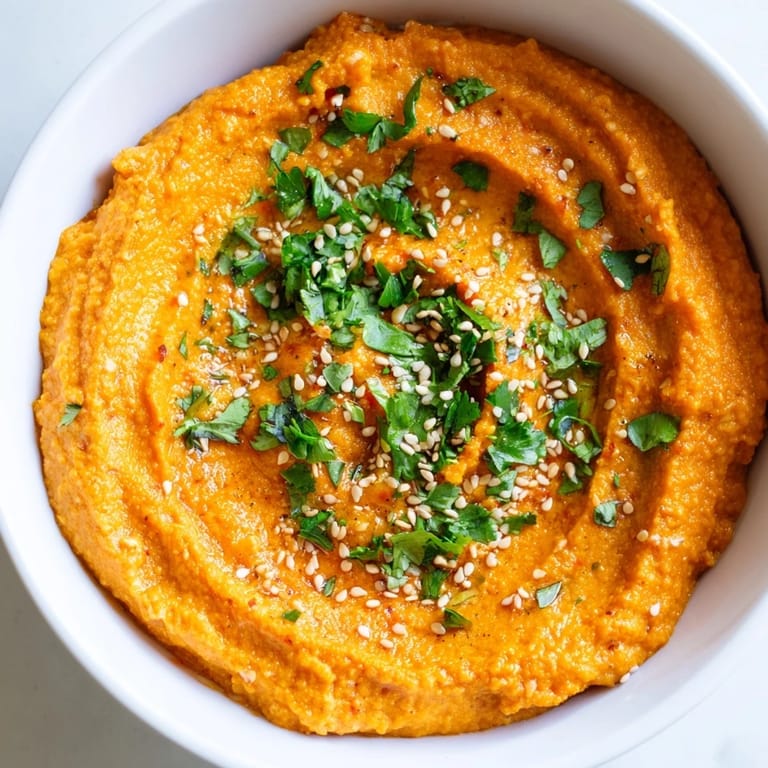
 There's something about the smell of roasting carrots that makes a kitchen feel instantly warmer, even on the coldest afternoons. I discovered this dip completely by accident when I had a bunch of carrots sitting around and decided to roast them just to see what would happen. The caramelization transformed them into something almost sweet, and when I blended them with ginger and tahini, I realized I'd stumbled onto something genuinely special. Now it's become my go-to when I want something that feels fancy but takes almost no effort.
I made this for a dinner party once where someone mentioned they couldn't eat dairy, and instead of scrambling, I just pulled out this dip. Watching people tear into it with pita chips, chatting and reaching for more, I realized that the best dishes are the ones that bring people together without making anyone feel like they're missing out. That night cemented it for me as a keeper.
Ingredients
- Carrots (500g, peeled and chunked): The star of the show, roasting brings out their natural sweetness and creates that subtle caramelization that makes this dip taste more sophisticated than it actually is.
- Fresh ginger (1 tablespoon, peeled and chopped): This cuts through the richness and adds a sophisticated kick that keeps the dip from feeling one-dimensional.
- Garlic clove (1 small, peeled): Just one clove mellows out when roasted, adding depth without overpowering the carrot flavor.
- Extra-virgin olive oil (2 tablespoons, divided): Split between roasting and blending, it creates that creamy texture and adds richness you'd normally expect from dairy.
- Tahini (2 tablespoons): This is the secret ingredient that gives the dip its velvety consistency and subtle nuttiness.
- Lemon juice (1 tablespoon): Brightens everything and prevents the dip from tasting heavy or one-note.
- Honey or maple syrup (1 teaspoon): A tiny touch to balance the spice and echo the natural sweetness of the roasted carrots.
- Ground cumin (½ teaspoon): Adds warmth and a hint of earthiness that makes people wonder if there's something savory they're missing.
- Salt and black pepper (½ teaspoon and ¼ teaspoon): Season to your taste, as these will depend on your ingredients and preference.
- Fresh cilantro and sesame seeds (optional garnish): The cilantro brings freshness, while sesame seeds add a satisfying crunch and visual pop.
Tired of Takeout? 🥡
Get 10 meals you can make faster than delivery arrives. Seriously.
One email. No spam. Unsubscribe anytime.
Instructions
- Heat your oven and prep the carrots:
- Set the oven to 200°C (400°F) and while it's warming up, cut your carrots into chunks about the size of your thumb. They'll roast more evenly that way.
- Get them golden:
- Toss the carrot chunks and garlic clove with a tablespoon of olive oil and a pinch of salt, spread them on a baking sheet, and slide them in. You'll know they're ready in about 25 to 30 minutes when they're tender and the edges have turned a deeper golden color.
- Cool and combine:
- Let the roasted carrots cool just enough to handle, then dump them into your food processor along with the ginger, tahini, lemon juice, honey, cumin, salt, and pepper. This is where the magic starts to happen.
- Blend until silky:
- Pulse everything together, then drizzle in that remaining olive oil while the processor runs, stopping to scrape down the sides as needed. If it seems too thick, add a splash of water until you reach that perfect creamy consistency.
- Taste and adjust:
- Blend everything until it reaches that silky, creamy texture. Taste a spoonful and decide if you want more lemon, salt, or cumin to make it sing.
- Finish and serve:
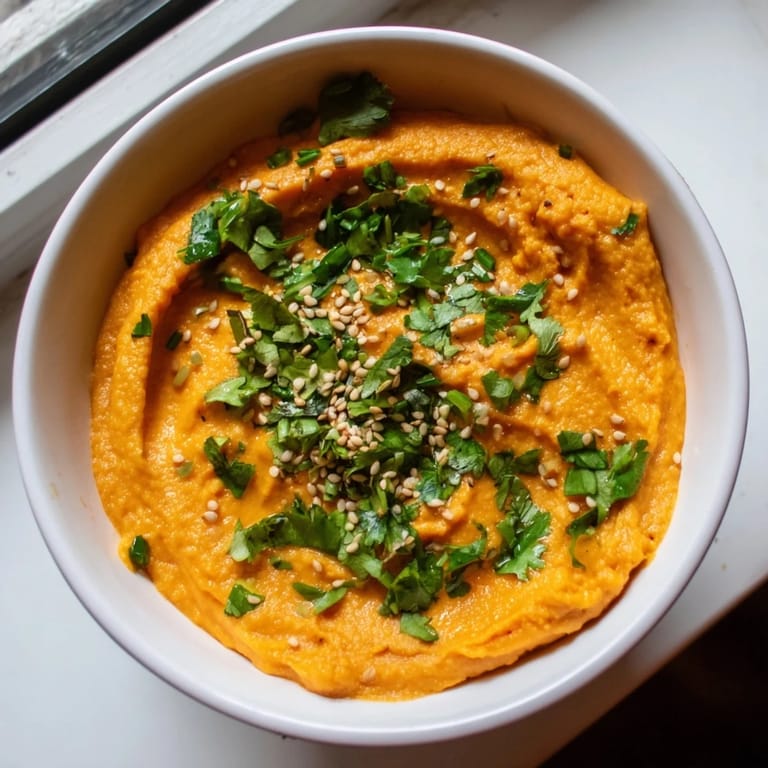
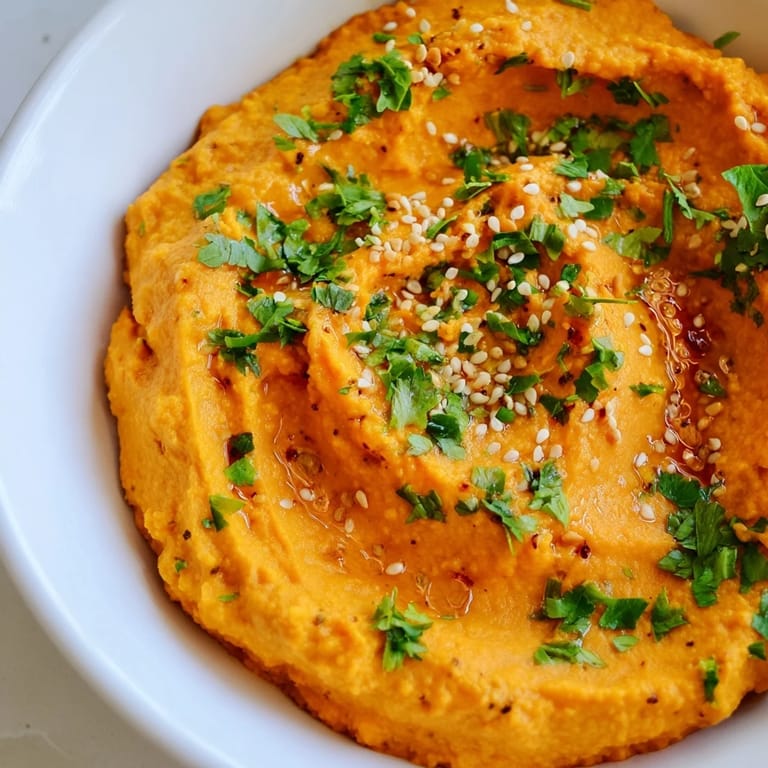
- Transfer to a bowl and sprinkle with cilantro and sesame seeds if you're using them. Serve with fresh vegetables, pita chips, or crackers for dipping.
 Pin It
 There was one evening when a friend brought her own vegetables to dip because she's usually limited by food restrictions, and I watched her face light up when she realized she could actually enjoy this. That moment reminded me why I love making things that don't feel like compromises for anyone at the table.
The Magic of Roasting
Roasting vegetables completely changes their personality. Where raw carrots are crisp and grassy, roasted ones develop sweetness and depth that makes them taste almost indulgent. The heat breaks down the carrots' natural sugars and caramelizes them slightly at the edges, creating complexity that you simply can't achieve any other way. This is why the dip tastes so much richer than it has any right to be given its simple ingredient list.
Make It Your Own
This dip is honestly a blank canvas for your preferences and what you have on hand. I've added a pinch of cayenne when I wanted heat, swapped in different citrus when I was out of lemon, and even crumbled in some roasted chickpeas when I wanted more texture. The beauty of it is that the roasted carrot base is so forgiving that you can play around without breaking anything.
Storage and Serving Ideas
Keep this dip in an airtight container in the refrigerator for up to four days, and it tastes just as good cold as it does at room temperature. It works as a dip, a spread on sandwiches, or even thinned out slightly as a sauce for roasted vegetables or grilled chicken. I've even eaten it straight from the bowl at midnight when I couldn't sleep, which tells you something about how crave-able it is.
- Make it ahead and refrigerate for up to four days, or freeze for up to a month if you want to get ahead on entertaining.
- Serve it at room temperature for the best flavor, but pull it out of the fridge 10 minutes before your guests arrive.
- Double the batch and keep one in the freezer, because once people taste it, they'll start asking for it at every gathering.
 Pin It
 This dip has become my quiet confidence builder in the kitchen because it's hard to mess up and always gets genuine compliments. Make it once and you'll understand why it's become my answer to almost every appetizer dilemma.
Questions & Answers
- → Can I make this dip ahead of time?
Yes, this dip stores well in an airtight container in the refrigerator for up to 5 days. The flavors actually deepen over time, making it even better when prepared a day ahead.
- → What can I serve with this dip?
Pair it with raw vegetable crudités like bell peppers, cucumber, and celery. It also works beautifully with pita chips, crackers, or whole grain bread. For a protein option, serve alongside grilled meats or roasted chickpeas.
- → How do I adjust the consistency?
If your dip is too thick, add water one tablespoon at a time while blending until you reach the desired consistency. For a thicker dip suitable for spreading, use less liquid. Tahini thickness varies by brand, so adjust accordingly.
- → Can I make it spicier?
Absolutely. Add a pinch of cayenne pepper or red pepper flakes to the food processor. Start with a quarter teaspoon and adjust to your heat preference. Fresh chili or harissa also work beautifully.
- → Is there a non-dairy alternative to tahini?
Yes, you can substitute tahini with Greek yogurt for a lighter, tangier version, though this removes the dairy-free element. Almond butter or sunflower seed butter also work as creamy alternatives while maintaining the dairy-free status.
- → What's the best way to roast the carrots?
Cut carrots into uniform chunks for even cooking. Toss with olive oil and salt, then roast at 400°F (200°C) for 25-30 minutes until tender and slightly caramelized at the edges. This caramelization develops deeper, sweeter flavors in the finished dip.