 Pin It
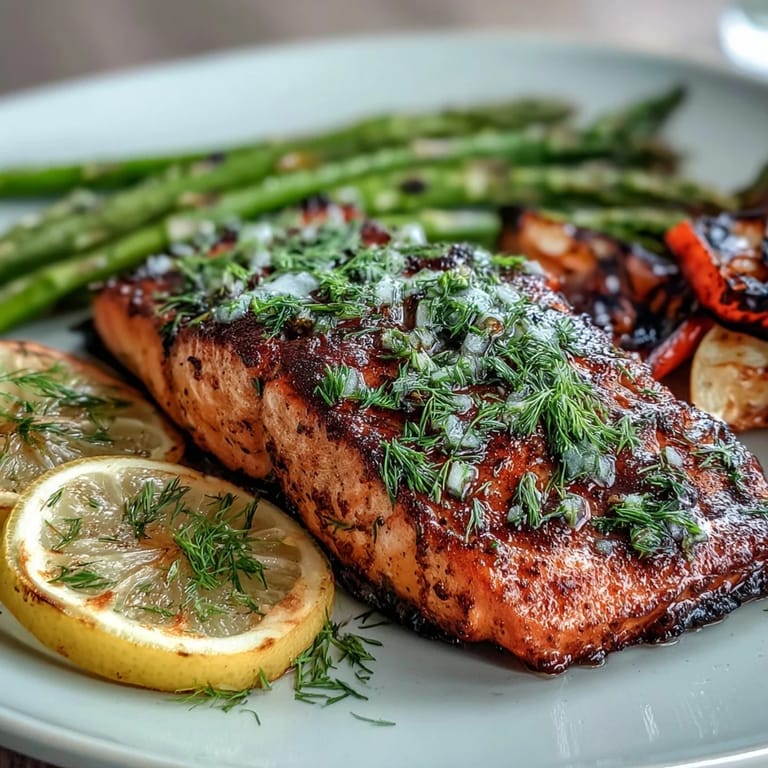
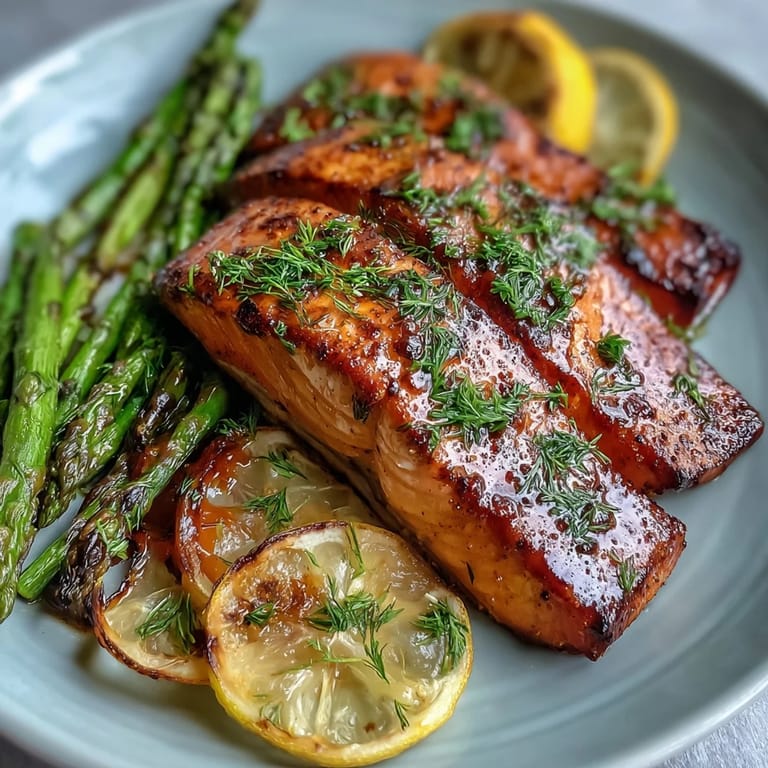
 There's something about the name that gets people every time—Marry Me Salmon. My friend Sarah laughed when I first told her the dish's name, wondering if it was actually that good or just clever marketing. One weeknight, when she mentioned her new partner was coming over and she wanted to cook something that felt effortless but impressive, I texted her this recipe. Twenty minutes later, she sent back a photo of two perfectly golden fillets surrounded by roasted asparagus, and a message: "They're already asking when I'm making it again." That's when I understood—it's not the name doing the work, it's the simplicity and the way garlic and lemon can make something taste like you've been in the kitchen for hours.
I made this for my mom on a random Tuesday evening, not because it was a special occasion, just because I'd picked up beautiful wild-caught salmon at the farmer's market and wanted to prove that healthy food could taste genuinely exciting. She took one bite and went completely quiet, the kind of quiet that means something landed just right. When she finally spoke, she only said, "This tastes like you care," which might be the best compliment anyone's ever given me about cooking.
Ingredients
- Wild-caught salmon fillets: Wild salmon has a deeper, more complex flavor than farmed, and the flesh tends to be firmer—it holds up beautifully to the high heat without turning mushy or bland.
- Olive oil: Use a good quality oil because it's doing real work here, emulsifying with the lemon and garlic to create a protective coat that keeps everything moist.
- Fresh garlic cloves: Minced, not pressed—mincing gives you little pockets of flavor instead of a uniform paste that can sometimes taste sharp and metallic.
- Fresh lemon juice: Bottled lemon juice will work if you're in a pinch, but freshly squeezed tastes brighter and prevents that slightly bitter aftertaste that bottled versions sometimes carry.
- Sea salt and black pepper: Season generously; salmon can handle bold flavoring without getting overwhelmed.
- Fresh dill: This is where the magic happens—dill and salmon are meant for each other, kind of like how garlic and lemon are best friends, and all three together create something you can't stop eating.
Tired of Takeout? 🥡
Get 10 meals you can make faster than delivery arrives. Seriously.
One email. No spam. Unsubscribe anytime.
Instructions
- Heat your oven and prep your space:
- Set the oven to 400°F and line a baking sheet with parchment paper—this keeps cleanup easy and prevents sticking. You want everything ready before you start because the actual cooking moves fast.
- Build your marinade:
- Whisk together olive oil, minced garlic, fresh lemon juice, salt, and pepper in a bowl, then let it sit for 5 minutes so the flavors start getting to know each other. The garlic will soften slightly and the lemon will meld with the oil instead of sitting on top like they're at a party with no mutual friends.
- Arrange your salmon and vegetables:
- Place salmon skin-side down on the prepared sheet, leaving a little breathing room around each fillet. Add asparagus, bell peppers, or lemon slices nearby if you're using them—they'll catch some of that gorgeous garlic oil as everything cooks together.
- Brush and top with dill:
- Use a pastry brush to coat each fillet generously with the marinade, making sure you get the edges where they dry out fastest. Scatter fresh dill evenly across the top, pressing it down gently so it sticks to the oil and doesn't blow away in the oven.
- Bake until just cooked through:
- Bake for 15 to 20 minutes depending on fillet thickness—you're looking for that moment when the salmon is opaque all the way through and flakes gently with a fork, but still has the slightest resistance in the very center. Thicker fillets will need closer to 20 minutes; thinner ones might be done in 15, so start checking at the 13-minute mark if your fillets are petite.
- Rest and serve:
- Let the salmon sit for 2 to 3 minutes after coming out of the oven so the proteins settle and stay tender when you cut into them. Serve hot with an extra squeeze of lemon juice on top, which brightens everything and cuts through the richness beautifully.
 Pin It
 My roommate used to eat takeout every single night until I made this salmon for a dinner party, and honestly, it completely converted him. He started buying his own fillets and asking me questions about how to tell when it's done, which is how I ended up teaching someone to cook through repetition and gentle correction rather than judgement.
Why This Works as a Weeknight Dinner
Most of the prep happens before the oven even turns on, which means you can pour a glass of wine, set the table, or actually change out of your work clothes while everything cooks hands-free. There's something genuinely luxurious about cooking something this good with almost no active effort once you've got the marinade ready. The best part is cleanup—parchment paper is your friend, and you'll be done with dishes before most people would even have their appetizers plated.
The Sauce and Why It Matters
Some people skip the marinade and just salt the salmon, which is fine but misses the entire point of why this dish has such a devoted following. The garlic, lemon, and oil don't just season the fish—they create this emulsified coating that keeps moisture locked in while the dill adds something floral and bright that salmon craves. I learned this the hard way by experimenting with various levels of garlic and lemon, and somewhere around my fifth version I realized that the ratio matters way less than just committing fully to both flavors.
Making It Special Without Overthinking It
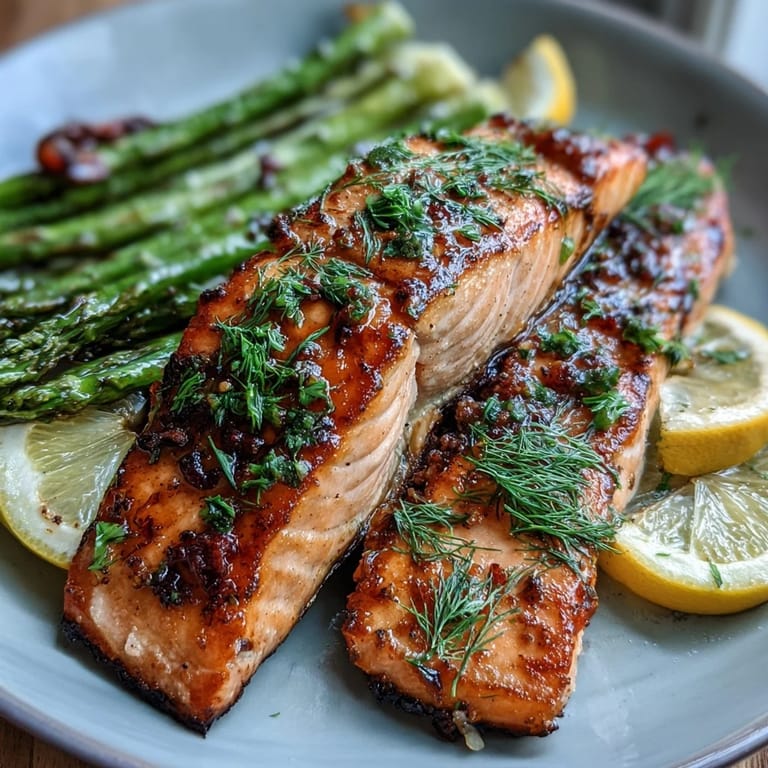
The name "Marry Me Salmon" exists because it actually delivers that feeling—the food tastes impressive without demanding that you spend your entire evening cooking. You can absolutely plate it fancy with microgreens and sauce drizzles, but honestly, it's just as beautiful served simply on a white plate with roasted vegetables and a lemon wedge. Sometimes the best meals are the ones where you do just enough to let the ingredient shine instead of piling on a hundred techniques and hoping something lands.
- If you're cooking for someone you're trying to impress, set the table before you start so the whole experience feels intentional instead of chaotic.
- Pair it with something light like a green salad or roasted asparagus—salmon is rich enough that it doesn't need heavy sides to feel complete.
- A simple white wine or sparkling water with lemon slices makes the whole thing feel celebratory without requiring advanced mixology skills.
 Pin It
 This recipe has become my go-to when I want to cook something that tastes like I'm showing up for people, which is maybe what being good at cooking really means. Every time I make it, someone asks for the recipe or compliments the simplicity of it, and I'm always happy to pass it along.
Questions & Answers
- → What type of salmon works best?
Wild-caught salmon fillets are preferred for their rich flavor and firm texture, but farmed salmon can be used as well.
- → Can I substitute fresh dill?
Yes, fresh dill can be replaced with dried dill or fresh parsley for a different aromatic profile.
- → How do I prevent overcooking?
Bake until the salmon is opaque and flakes easily with a fork, typically 15 to 20 minutes depending on fillet thickness.
- → What sides complement this salmon?
Roasted asparagus, bell peppers, rice, or a green salad pair well to round out the meal.
- → Is marinating necessary?
Allowing the marinade to rest for a few minutes helps the garlic and lemon flavors fully infuse the salmon.