 Pin It
 My neighbor came over one evening with a bottle of Chianti and a wild idea: what if we threw wine-drunk noodles and Italian sausage into the same pan? The kitchen smelled like garlic and red pepper before we even turned on the stove. We ended up with a skillet full of glossy, crimson-streaked pasta that tasted like a Saturday night in Rome colliding with a weeknight stir-fry. It was messy, bold, and exactly the kind of dinner that makes you pour another glass. I've been making it ever since, tweaking the heat and the wine until it felt just right.
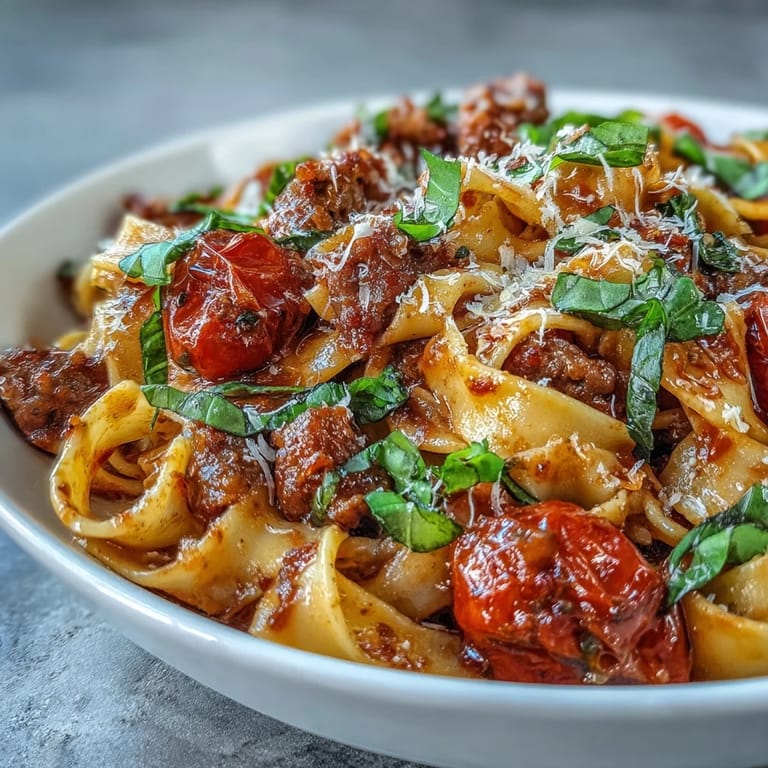
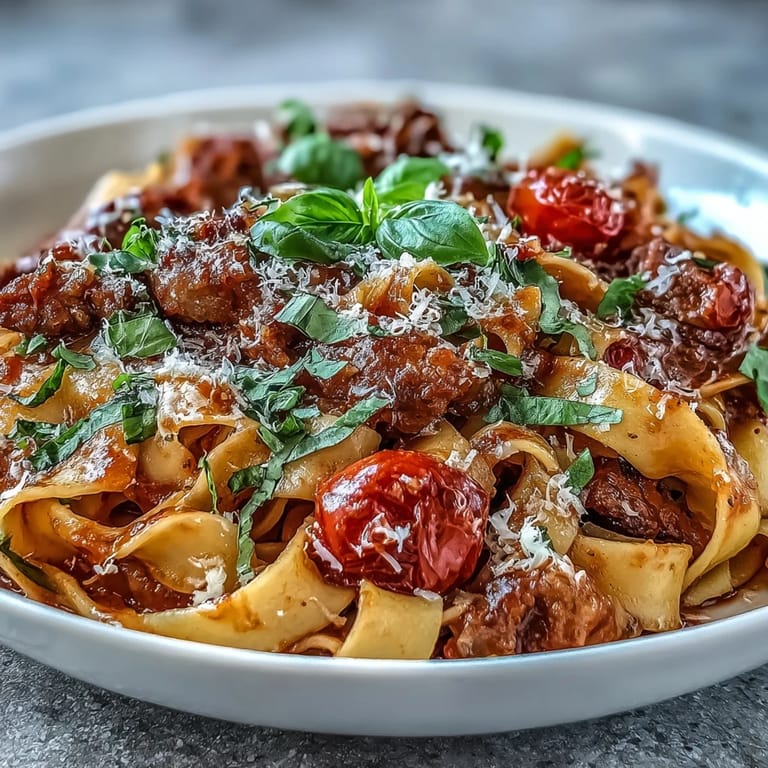
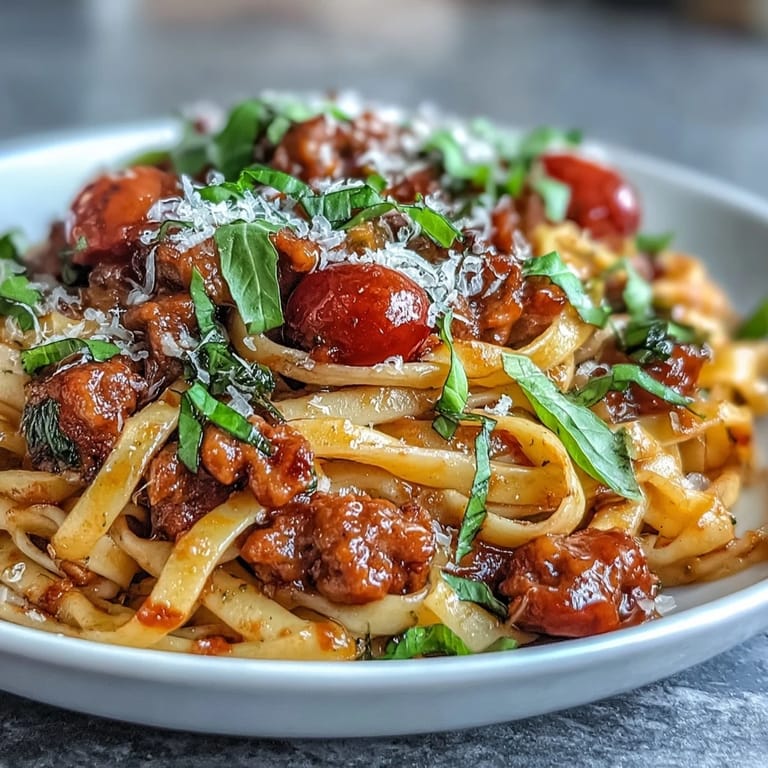
The first time I made this for friends, someone asked if I'd ordered takeout and plated it myself. The basil was still warm and wilting into the noodles, and the Parmesan had just melted into glossy streaks across the pasta. We ate straight from the skillet with forks and cloth napkins, passing around lemon wedges and extra cheese. One friend kept saying it tasted like a secret menu item from a trattoria that also serves cocktails. That night, this dish stopped being an experiment and became the recipe I reach for when I want to feel like I know what I'm doing in the kitchen.
Ingredients
- Spaghetti or linguine: Use whatever shape you love most, but long noodles catch the sauce beautifully and make every bite feel a little more luxurious.
- Extra-virgin olive oil: This is your flavor base, so use something you'd actually drizzle on bread.
- Yellow onion: Slice it thin so it melts into the sauce and adds a sweet, silky backdrop to the garlic and chili.
- Garlic cloves: Fresh is non-negotiable here; jarred garlic won't give you that sharp, aromatic punch.
- Red pepper flakes: Start with a teaspoon and taste as you go, this is where you control the heat.
- Italian sausage or shrimp: Sausage adds rich, fennel-laced flavor, shrimp keeps it lighter and just as satisfying.
- Cherry tomatoes: They burst and blister in the pan, creating pockets of sweet acidity that balance the wine.
- Tomato paste: A small spoonful deepens the color and adds a concentrated tomato backbone.
- Dry red wine: Chianti or Sangiovese work best, but any dry red you'd drink will do the job.
- Soy sauce: It might sound strange, but it adds umami and a savory depth that ties everything together.
- Worcestershire sauce: Another layer of complexity, tangy and slightly sweet.
- Balsamic vinegar: Just a touch brightens the sauce and rounds out the acidity.
- Fresh basil: Tear it by hand and stir it in at the end so it stays fragrant and vibrant.
- Fresh parsley: Adds a grassy, fresh note that cuts through the richness.
- Parmesan cheese: Grate it yourself for the best melt and the nuttiest flavor.
Tired of Takeout? 🥡
Get 10 meals you can make faster than delivery arrives. Seriously.
One email. No spam. Unsubscribe anytime.
Instructions
- Boil the pasta:
- Bring a large pot of salted water to a rolling boil and cook your pasta until it's just al dente, still with a little bite. Reserve a mugful of that starchy cooking water before you drain, it's your secret weapon for a silky sauce later.
- Heat the skillet:
- While the pasta bubbles away, get a large skillet hot over medium-high heat and swirl in the olive oil until it shimmers. You want the pan ready to sizzle the moment the onions hit.
- Sauté the aromatics:
- Toss in the sliced onion and let it soften for a couple of minutes, then add the garlic and red pepper flakes. Stir constantly for about 30 seconds until your kitchen smells like an Italian street festival.
- Cook the protein:
- Add your crumbled sausage or shrimp to the pan. If using sausage, break it up with a wooden spoon and cook until browned and cooked through, about 5 to 7 minutes; for shrimp, cook just until pink and opaque, about 2 to 3 minutes per side.
- Add the tomatoes:
- Stir in the cherry tomatoes and tomato paste, cooking for about 2 minutes while gently pressing on some of the tomatoes to release their juices. The pan should look vibrant and saucy.
- Deglaze with wine:
- Pour in the red wine and use your spoon to scrape up all those browned, flavorful bits stuck to the bottom of the pan. Let it simmer and reduce by about half, concentrating all that winey goodness.
- Season the sauce:
- Stir in the soy sauce, Worcestershire, and balsamic vinegar, then taste and adjust with salt, pepper, or more red pepper flakes. This is your moment to dial in the flavor exactly how you like it.
- Toss the pasta:
- Add the drained pasta directly to the skillet and toss everything together, adding reserved pasta water a few tablespoons at a time until the sauce clings to the noodles like a glossy coat. Don't be shy with that starchy water, it's magic.
- Finish with herbs and cheese:
- Pull the pan off the heat and stir in the torn basil, chopped parsley, and grated Parmesan until everything melts together. The residual heat will wilt the herbs just enough.
- Serve and garnish:
- Divide the pasta among bowls and top with extra basil, more Parmesan, sliced chili if you're feeling brave, and a lemon wedge for a bright squeeze. Serve immediately while it's still steaming.
 Pin It
 One rainy Tuesday, I made this for myself with a half-empty bottle of wine I'd been meaning to finish. I sat at the counter with the skillet still warm, twirling noodles and watching the steam fog up the window. It wasn't fancy or Instagram-ready, but it felt like the kind of dinner that reminds you why cooking for yourself matters. That night, this recipe became less about impressing anyone and more about creating a moment worth savoring, even if it's just you and a fork.
Storing and Reheating
Leftovers keep beautifully in an airtight container in the fridge for up to three days, though the noodles will soak up some of the sauce as they sit. When you reheat, add a splash of water, broth, or even a little more wine to bring back that glossy, loose texture. I usually warm it gently in a skillet over medium-low heat, stirring often, but the microwave works too if you're in a hurry. Just don't crank the heat too high or the sauce will break and the pasta will turn mushy.
Swaps and Variations
If you want to make this vegetarian, swap the sausage or shrimp for thick slices of mushroom or cubes of marinated tofu, both soak up the sauce and add great texture. You can also use gluten-free pasta or whole wheat if that's what you keep in your pantry, just watch the cooking time since they can go from perfect to overdone fast. For a milder version, cut back on the red pepper flakes or leave them out entirely, and if you're out of Chianti, any dry red wine you'd enjoy drinking will work just fine.
Pairing and Serving Ideas
This dish is bold enough to stand on its own, but I love serving it with a simple arugula salad dressed in lemon and olive oil to cut through the richness. A crusty baguette for mopping up extra sauce never hurts, and a glass of the same wine you cooked with ties the whole meal together. If you're feeding a crowd, double the recipe and serve it family-style straight from the skillet.
- Serve with a crisp green salad tossed in a bright vinaigrette.
- Pour the same wine you used for cooking to echo the flavors on the plate.
- Keep extra Parmesan, red pepper flakes, and lemon wedges on the table for guests to customize their bowls.
 Pin It
 This is the kind of recipe that makes you look like you spent hours in the kitchen when you really just opened a bottle of wine and followed your instincts. Make it once, and it'll become your go-to for nights when you want something comforting, impressive, and just a little bit indulgent.
Questions & Answers
- → What makes Italian Drunken Noodles unique?
This fusion dish combines Italian pasta with Asian-inspired cooking techniques. The sauce gets its signature depth from Chianti wine reduced with soy sauce and Worcestershire, creating an umami-rich coating that clings perfectly to spaghetti. The marriage of spicy sausage, sweet tomatoes, and fresh herbs creates layers of flavor in every bite.
- → Can I make this vegetarian or gluten-free?
Absolutely. Swap the sausage for sautéed mushrooms or marinated tofu to make it vegetarian. Use gluten-free pasta and check that your Worcestershire sauce is gluten-free certified. The flavors work beautifully with these substitutions while maintaining the dish's bold character.
- → What type of wine works best?
Chianti or Sangiovese are ideal choices because they provide the perfect balance of acidity and fruitiness. Any dry red wine like Pinot Noir or Merlot will work in a pinch. The wine should be something you'd enjoy drinking, as its flavor concentrates during reduction.
- → How spicy is this dish?
The heat level is easily customizable. One teaspoon of red pepper flakes provides a gentle warmth that enhances without overwhelming. For more intensity, add fresh chilies or increase the flakes. Those preferring mild can reduce to half a teaspoon.
- → Why add pasta water to the sauce?
The starchy pasta water helps create a silky, emulsified sauce that clings beautifully to the noodles. Add it a few tablespoons at a time until you reach your desired consistency. This technique ensures every strand is coated in the flavorful wine-kissed sauce.
- → How should I store leftovers?
Store cooled portions in an airtight container in the refrigerator for up to 3 days. Reheat gently with a splash of water or wine to loosen the sauce. The flavors often develop even more depth overnight, making it an excellent make-ahead meal.