 Pin It
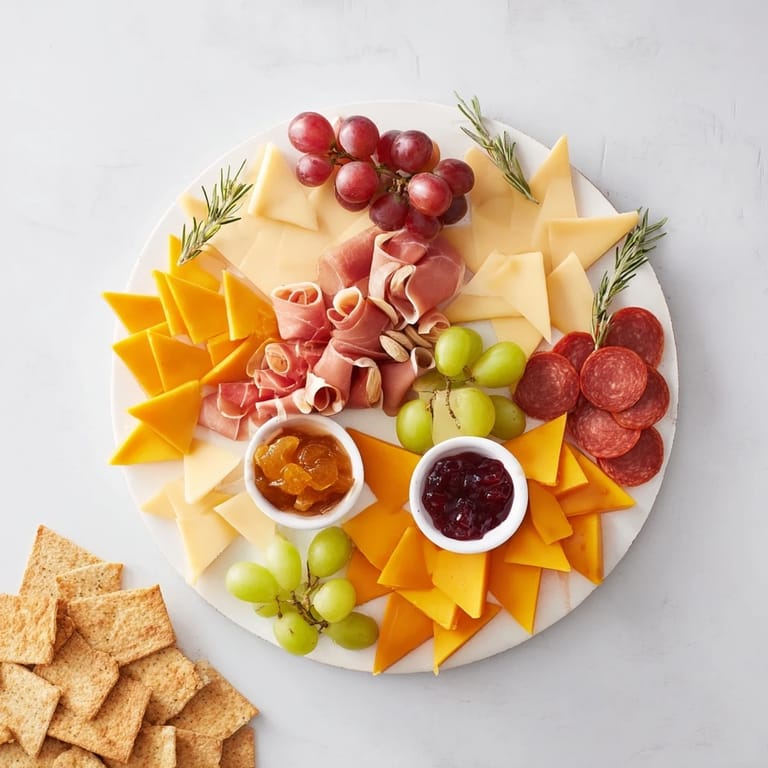
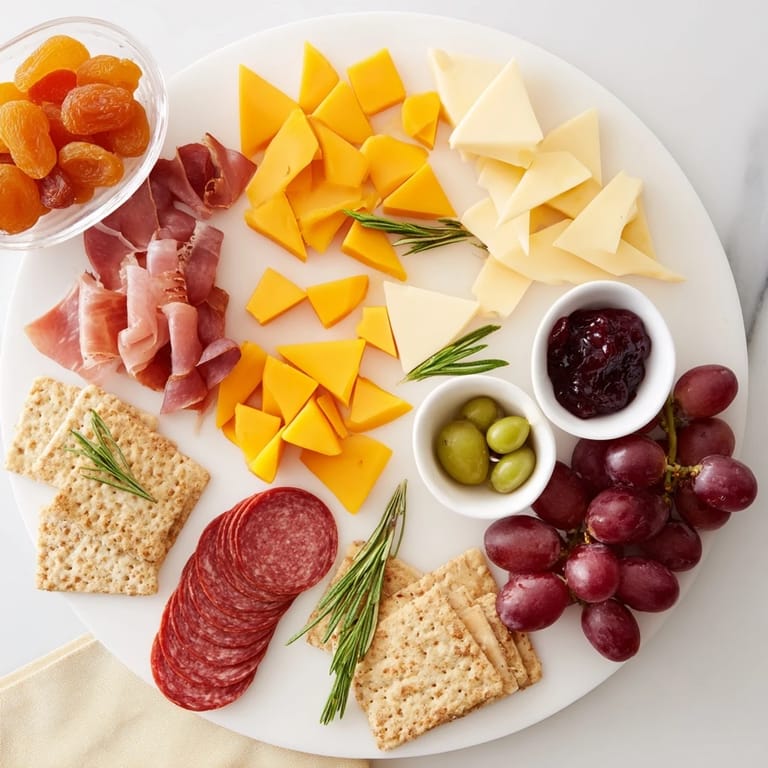
 There's something about geometric precision that transforms a cheese board from casual to captivating. I discovered this years ago when a friend challenged me to make a charcuterie board that felt like art rather than just a platter of snacks. The constraint of cutting everything into triangles and rhombuses seemed silly at first, but somewhere between the third triangle of Manchego and the first perfectly angled rhombus of Gruyère, I realized I was creating something that made people pause before eating, just to admire it. That simple shift—from random arrangement to intentional geometry—changed how I think about entertaining entirely.
I'll never forget the dinner party where I brought this out and watched my usually casual, just-grab-stuff friends actually photograph their food before eating. One person said it looked too pretty to disturb, which would have been funny except she was genuinely torn about cutting into the pattern. That's when I knew this approach to hosting had real magic in it—it transforms a simple board into an experience worth slowing down for.
Ingredients
- Manchego cheese, 150 g: This Spanish classic holds its shape beautifully when cut into triangles and has a nutty sharpness that grounds the board's flavor profile.
- Aged cheddar, 150 g: Choose a really well-aged version so it cuts clean without crumbling, and the deeper color adds visual depth to the geometric arrangement.
- Brie, 100 g: Chill it thoroughly before cutting or it'll smear instead of slice, but when it's cold enough, those firm wedge-triangles stay pristine on the board.
- Gruyère, 100 g: Cut into rhombuses to break up the triangle monotony—its crystalline texture actually cuts even better at angles than straight lines.
- Prosciutto, 120 g: Fold it gently into triangles rather than fighting to cut it; the folds create dimension and the delicate folds catch light beautifully.
- Soppressata, 120 g: Slice on an angle to get those natural rhombuses, and the deep red color creates striking contrast against the pale cheeses.
- Chorizo, 100 g: Diagonal slices become rhombuses effortlessly and add warmth of color plus a whisper of spice that balances the board.
- Red and green grapes, 2 small bunches: Cluster them in negative space; the spheres against angular shapes create visual rhythm.
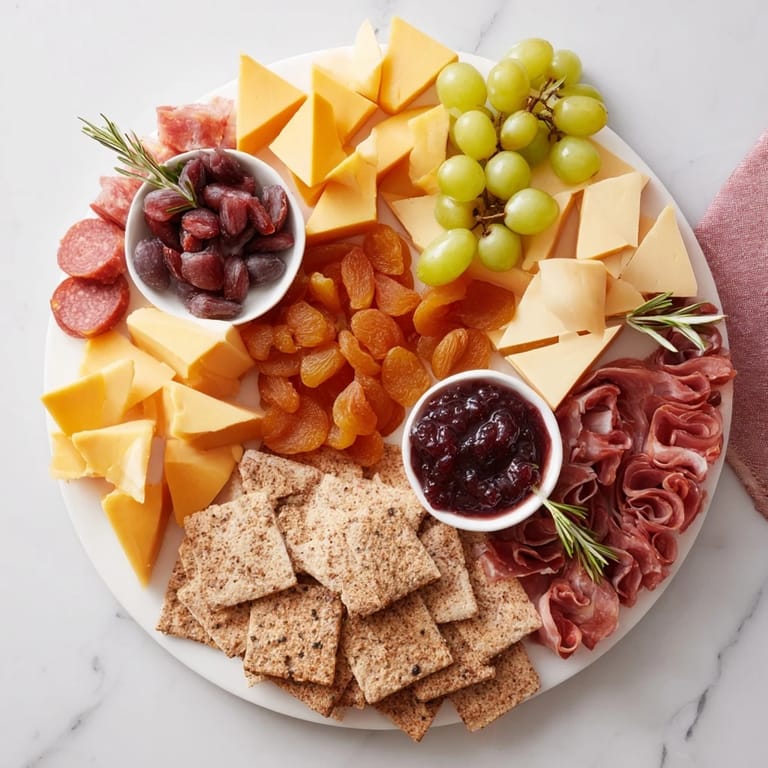
- Dried apricots, 50 g: Cut diagonally if you have patience, but honestly, leaving a few whole adds organic texture against the rigid geometry.
- Marcona almonds, 50 g: Scatter these in gaps almost like an afterthought—they're roasted enough to taste buttery without competing with the other flavors.
- Fig jam, 2 tbsp: A small bowl or two keeps it contained and lets people choose rather than it getting everywhere; the deep purple is another color note in your composition.
- Gluten-free seed crackers, 100 g: Break them into rough triangles before arranging so they feel intentional rather than just scattered.
- Fresh rosemary or thyme, handful of sprigs: These aren't just garnish—they're aromatic notes that make the board smell as good as it looks.
Tired of Takeout? 🥡
Get 10 meals you can make faster than delivery arrives. Seriously.
One email. No spam. Unsubscribe anytime.
Instructions
- Set up your workspace with intention:
- Lay out your cutting board, a sharp chef's knife, and arrange cheeses and meats in the order you'll cut them so you're not hunting between steps. Having everything visible makes the cutting feel like a meditation rather than a chore.
- Cut cheeses into clean triangles and rhombuses:
- Use a long, sharp knife and one smooth motion for each cut—sawing back and forth compromises the edges. Let the knife's weight do the work, and wipe it clean between cuts so you see what you're doing.
- Fold and angle your cured meats:
- Prosciutto folds like silk; don't overthink it—just create gentle triangles. Soppressata and chorizo should be sliced on a diagonal so the natural shapes emerge without force.
- Arrange everything on your serving board with rhythm in mind:
- Start with a base pattern of cheeses in alternating shapes, then weave meats through them. Step back frequently so you can see negative space and where color feels balanced.
- Fill gaps with fruit and nuts like you're composing something:
- Cluster grapes together rather than scattering them; nestle apricots into corners; let almonds pool in empty spaces. This isn't random filling—it's completing a visual composition.
- Add fig jam in small measured portions:
- Whether in tiny bowls or small spoonfuls on the board, fig jam should feel like an accent color, not a blob. It's too rich to spread thickly anyway.
- Crown it with herbs and check the whole view:
- Tuck rosemary or thyme sprigs into gaps or let them lean against cheese—the green brings freshness and makes the board feel alive. Take one last look before anyone approaches; this moment of completion is worth savoring.
 Pin It
 The geometry stuck with me because it turned a board of cheese into a moment of intention. It reminded me that even simple entertaining can feel special when you pay attention to the small choices—how shapes relate to each other, what colors balance, where your eye travels across the composition. My guests still ask me to make this board, not because the ingredients are rare, but because the care behind the arrangement somehow makes ordinary cheese taste like something you planned for.
The Art of Cutting
Learning to cut at clean angles changed my whole relationship with knife skills. I used to think precision was just about technique, but it's equally about patience and letting the knife weight do the work. When you're cutting a triangle of Manchego or angling through Gruyère, you start noticing the grain of the cheese, how it wants to break, where resistance means you need a sharper blade or a softer hand. These small lessons compound—suddenly you're cutting more intentionally in all your cooking, not just on special boards.
Why This Board Works for Any Gathering
I've brought this to everything from casual weeknight hangs to serious dinner parties, and it works at every scale because it signals effort without demanding stress. It's gluten-free by default, it accommodates most dietary preferences through simple substitutions, and it feeds a crowd without requiring you to spend the afternoon in the kitchen. The geometric constraint paradoxically makes the board easier to plan—you know exactly what shapes you need, and that clarity is liberating.
The Small Details That Matter
Every time I make this, I notice something new about how the pieces interact. Maybe it's that the deep purple of aged cheddar anchors the board's color story, or how a single well-placed sprig of rosemary suddenly ties the whole composition together, or the way guests unconsciously arrange themselves around the board to admire it before eating. These moments remind me that hospitality isn't just about flavor—it's about creating small experiences that lodge in memory.
- Use a ruler if you want truly precise cuts, but honest geometry—clean shapes that feel intentional—works just as well and feels more human.
- Rotate or refresh the board halfway through serving since the arrangement will naturally relax as people eat, and that's actually beautiful if you let it happen.
- This board pairs perfectly with Sauvignon Blanc or rosé, but honestly, it's compelling enough to be the whole event rather than just an opening act.
 Pin It
 This board proves that you don't need complicated recipes or exotic ingredients to impress—sometimes the gift is simply paying attention, choosing intention over randomness, and trusting that people will sense and respond to care. Make this when you want the gathering to feel a little more intentional.
Questions & Answers
- → How do I achieve precise geometric shapes with cheeses and meats?
Use a sharp chef’s knife and consider employing a ruler or guide for consistency. Select firm cheeses that hold their shape well.
- → Can I substitute different cheeses or meats?
Yes, feel free to use your preferred cheeses and cured meats, ensuring they are firm enough to maintain the triangular or rhombus shapes.
- → What accompaniments enhance this spread?
Seedless red and green grapes, dried apricots, Marcona almonds, and fig jam provide a balanced mix of sweetness and texture.
- → How should the platter be garnished?
Fresh rosemary or thyme sprigs add aromatic appeal and complement the visual theme of the arrangement.
- → Is this platter suitable for gluten-sensitive guests?
Yes, by using gluten-free seed crackers, this spread accommodates gluten-free dietary needs.