 Pin It
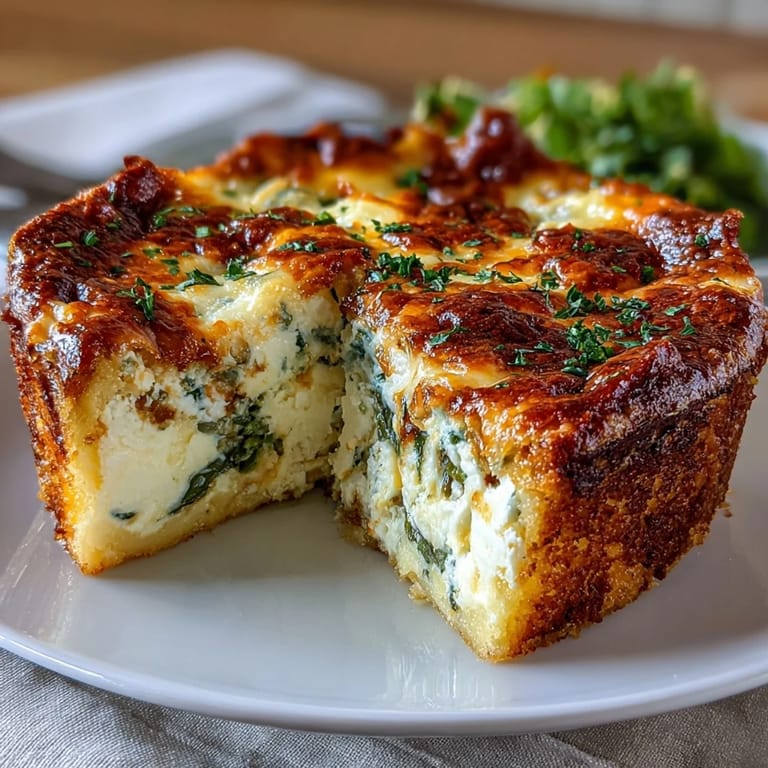
 My sister called me the night before Mother's Day in a mild panic—she'd volunteered to host brunch but had no menu planned. I found myself at the farmers market at dawn, drawn to a bundle of pristine asparagus and suddenly remembering a quiche my French neighbor had made years ago, the kind where the filling was so silky it barely jiggled when you moved the plate. That memory, mixed with the texture of creamy Brie melting against my fingers at the cheese counter, became the blueprint for this recipe. Now it's the dish I make when I want something that looks impressive but feels effortless, like I've been planning it for weeks when really it just came together in a moment.
I made this for my book club last spring, and what I remember most isn't the compliments (though there were plenty) but the moment one of our members came into the kitchen asking what smelled so good. She watched me pull it from the oven with that golden top and said it reminded her of a bistro in Lyon where she'd spent her honeymoon. That's when I realized this quiche has a quiet elegance that transcends just being food—it carries a feeling of occasion without requiring a special occasion.
Ingredients
- Ready-made 9-inch pie crust: Using a store-bought crust isn't cheating; it's being practical about your time, and honestly, it bakes up just as beautifully as homemade.
- Fresh asparagus, 1 cup trimmed and cut into 1-inch pieces: The brief blanch before baking keeps the spears tender but still slightly firm, preserving that spring-like quality.
- Small shallot, finely diced: A shallot's sweetness is subtler than onion, letting the Brie and asparagus shine without any harsh edges.
- 5 large eggs: Room temperature eggs whisk more smoothly and create a creamier custard than cold ones straight from the fridge.
- 3/4 cup whole milk and 1/4 cup heavy cream: The combination of milk and cream gives you richness without making the quiche feel heavy or one-note.
- 5 oz Brie cheese, rind removed and cubed: Removing the rind prevents it from becoming chewy; those small cubes distribute evenly and melt perfectly as it bakes.
- Salt, black pepper, and optional nutmeg: A whisper of nutmeg elevates the custard to something almost French bistro-level, but it's forgiving if you skip it.
Tired of Takeout? 🥡
Get 10 meals you can make faster than delivery arrives. Seriously.
One email. No spam. Unsubscribe anytime.
Instructions
- Prepare your oven and crust:
- Heat your oven to 375°F and fit that crust into your pan, pricking it lightly with a fork so it doesn't puff up awkwardly while baking. This gentle action prevents the base from becoming puffy or uneven.
- Blind bake for a head start:
- Line the crust with parchment, fill it with pie weights or dried beans, and bake for 10 minutes—this prevents a soggy bottom. After removing the weights, give it another 5 minutes until it's just barely golden.
- Blanch the asparagus:
- While the crust is baking, bring a small pot of salted water to a boil and drop in your asparagus pieces for exactly 2 minutes; they should still have a slight firmness when you fish them out with a slotted spoon. This step sets their bright color and ensures they won't release too much water into your custard.
- Make your custard:
- In a bowl, whisk the eggs with milk, cream, salt, pepper, and that optional pinch of nutmeg until everything is completely smooth and pale. Don't rush this; a thorough whisking ensures an even, tender crumb.
- Layer and pour:
- Scatter the diced shallot and half the asparagus across the pre-baked crust, then pour your custard over it in an even layer. Top with the remaining asparagus and those Brie cubes, letting them nestle naturally across the surface.
- Bake until just set:
- Slide it into the oven for 30 to 35 minutes; you're looking for the center to be just barely set (it should jiggle slightly in the very middle when you give the pan a gentle shake) and the top to turn a light golden brown. Overbaking creates a rubbery custard, so trust your instincts here.
- Rest before serving:
- Let it cool on the counter for 10 minutes—this allows the custard to firm up just enough to slice cleanly without collapsing on the plate.
 Pin It
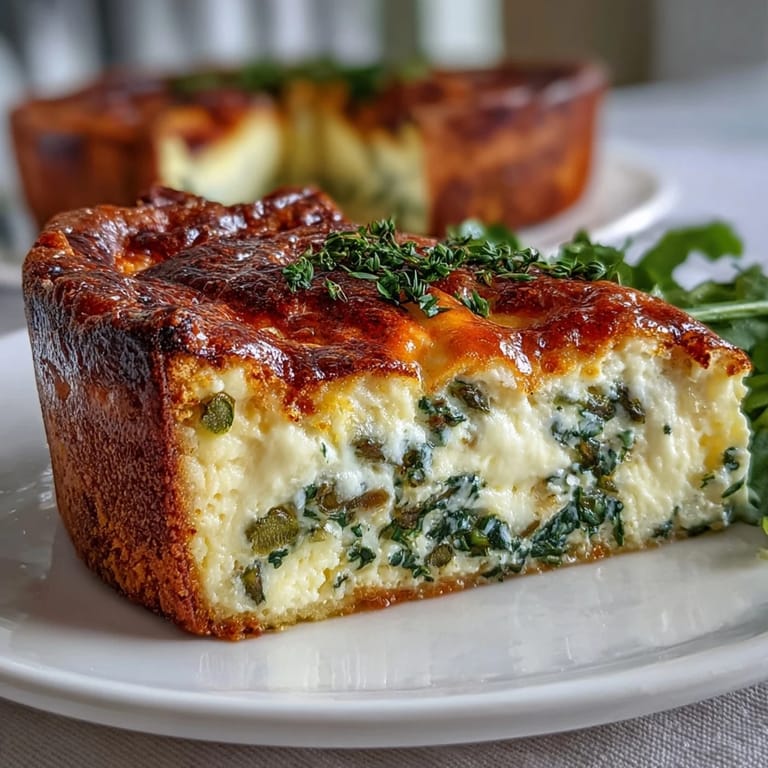
 What struck me most about making this quiche for my mother was watching her eyes light up when she realized it was made with ingredients she actually recognized and loved, not some mysterious concoction. In that moment, I understood that the real elegance isn't about complexity—it's about knowing what deserves a place at the table.
Why Asparagus and Brie Are Perfect Together
Asparagus has this grassy, slightly earthy quality that could easily get lost in a custard, but Brie's creamy richness meets it halfway, creating a balance where neither ingredient overwhelms the other. The Brie acts like a flavor buffer, smoothing out any sharp edges while the asparagus keeps the whole quiche from feeling too heavy. It's the kind of pairing that seems obvious once you taste it but never would have occurred to you before trying it.
Making This Recipe Your Own
I've made this base recipe about thirty times now, and I've learned that it's incredibly forgiving when you want to experiment. Fresh herbs—a small handful of chives or dill folded into the custard—add another layer of freshness without changing the fundamental character of the dish. Some seasons I add sun-dried tomatoes or caramelized onions when I want something earthier, and it works every single time.
Serving Suggestions and Storage
Serve this quiche warm or at room temperature with a simple green salad tossed in a light vinaigrette, and if it's a special occasion, pour a glass of sparkling wine or Prosecco alongside. Leftover quiche keeps beautifully in the refrigerator for three days and actually tastes even better the next day when the flavors have had time to settle and meld together.
- Reheat gently in a 300°F oven for about 10 minutes if you want to serve it warm without drying it out.
- Make it the morning of your brunch and simply slide it into the oven 40 minutes before your guests arrive.
- This recipe doubles easily if you're feeding a crowd—just prepare two quiches and stagger their baking time.
 Pin It
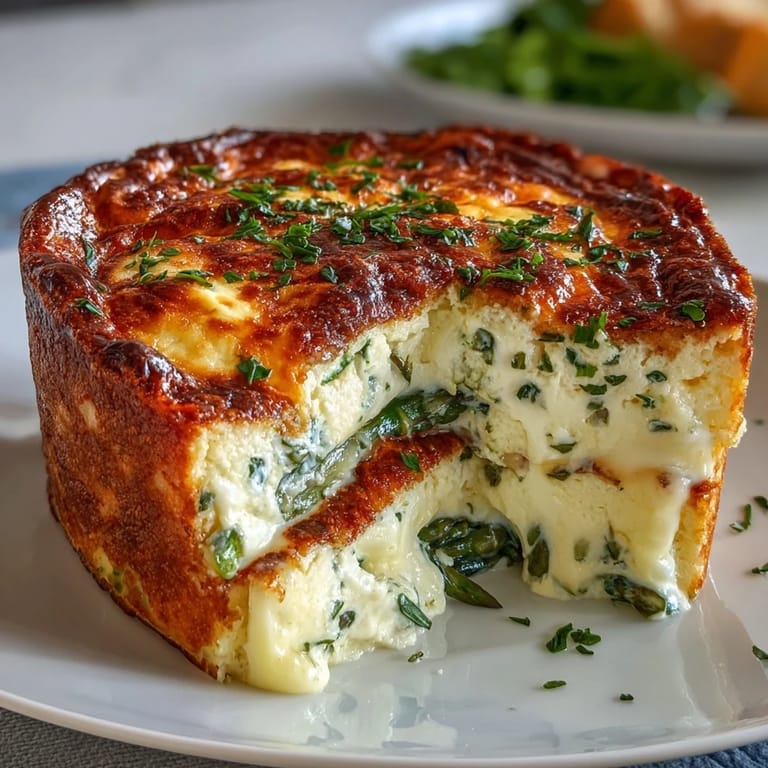
 This quiche has a way of making you feel like you've done something special without actually requiring you to do anything complicated. That's the kind of recipe worth keeping close.
Questions & Answers
- → How do I ensure the crust stays crisp?
Blind baking the crust before adding the filling helps prevent sogginess and keeps the pastry crisp and golden.
- → What’s the best way to prepare asparagus for this dish?
Blanch asparagus in boiling salted water for 2 minutes, then drain to retain tenderness and vibrant color.
- → Can I substitute Brie with another cheese?
Soft cheeses like Camembert or mild goat cheese work well and offer a similarly creamy texture.
- → How do I know when the quiche is fully cooked?
The center should be just set but still slightly jiggly; the top should be lightly golden without browning too much.
- → Are there any recommended herbs to complement the flavors?
Fresh herbs such as chives or dill add a nice bright note and complement the asparagus and Brie beautifully.