 Pin It
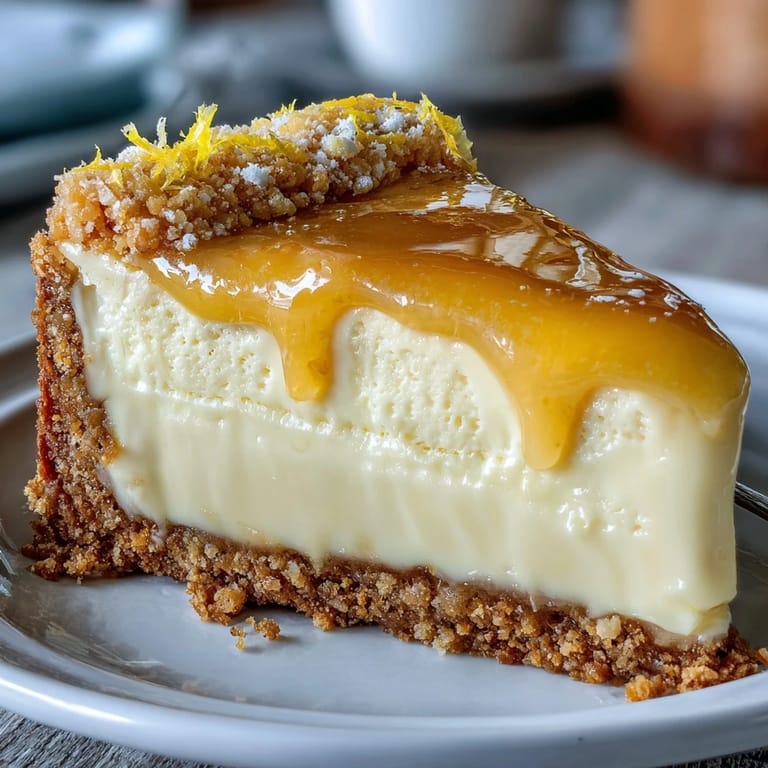
 There's something about the moment when you pull a lemon tart from the oven and the kitchen fills with that sharp, honeyed citrus perfume that makes you understand why the French got dessert so right. I discovered this particular version on a gray March afternoon when my neighbor dropped off three enormous lemons from her tree, and I had exactly the right amount of butter on hand to make something worthy of them. The first slice I cut was almost trembling—that filling had the perfect shimmer, not quite set but not liquid either—and when it landed on the plate, I knew this would become one of those recipes I'd make over and over again without thinking.
I made this for the first time for a dinner party where I was nervous about the main course, so I poured all my confidence into dessert instead. When my friend took her first bite and closed her eyes, saying nothing for a moment, I knew the gamble had paid off. She asked for the recipe before she'd finished eating it, and I've seen that same stunned expression on at least a dozen faces since then.
Ingredients
- All-purpose flour (1 1/4 cups): The foundation that delivers tenderness without being delicate—use it straight from the bag without sifting, which can make the crust tough.
- Cold unsalted butter (1/2 cup + 2 tbsp): This is where the magic lives; keeping it cold means it stays in tiny pockets that become flaky layers, so don't shortcut this step by using warm butter.
- Powdered sugar (1/4 cup): Adds a whisper of sweetness to the crust and helps it brown beautifully without burning.
- Fine sea salt (1/4 tsp): Makes everything taste more like itself, especially important in a dessert where the filling is so bright and tangy.
- Egg yolk (1 large): Binds the dough just enough while keeping it tender and giving it a subtle golden hue.
- Ice water (2–3 tbsp): Use actual ice water straight from the freezer; warm water wakes up the gluten and toughens everything.
- Eggs and egg yolks for filling (3 large eggs + 2 yolks): These create that custard-like texture that's neither thick nor thin—the yolks add richness that makes the whole thing taste luxurious.
- Granulated sugar (1 cup): Sweetens the filling enough to balance the lemon without making it cloying, though you can easily add more if tartness isn't your thing.
- Freshly squeezed lemon juice (2/3 cup): Bottled juice is never going to give you this clean, bright flavor, so don't even think about it—squeeze them yourself.
- Lemon zest (2 tsp): Grate this fresh right before you need it so you get the essential oils that make people ask what that incredible flavor is.
- Melted butter (1/2 cup): Adds a luxurious mouthfeel and keeps the filling from feeling too eggy or custardy.
Tired of Takeout? 🥡
Get 10 meals you can make faster than delivery arrives. Seriously.
One email. No spam. Unsubscribe anytime.
Instructions
- Set your stage and preheat:
- Get the oven to 350°F and gather everything you'll need on the counter—this is not a recipe where you want to be hunting for things mid-step.
- Build the crust base:
- Pulse your flour, powdered sugar, and salt together in a food processor until combined, then add those cold butter cubes and pulse just until the mixture looks like coarse breadcrumbs with some pea-sized pieces of butter still visible. Add your egg yolk and 2 tablespoons of ice water, pulsing gently until the dough just barely holds together when you squeeze a bit—it should still look slightly shaggy, not smooth.
- Rest the dough:
- Turn it out onto a floured surface, press it into a disk, wrap it tightly in plastic, and let it chill for at least 30 minutes if you have the time; this prevents shrinking and makes rolling easier.
- Shape and blind bake:
- Roll your dough out to fit your 9-inch tart pan, press it gently into the corners, trim any overhang, and prick the base all over with a fork to prevent puffing. Line it with parchment paper, fill it with pie weights or dried beans, and bake for 15 minutes until the edges just start turning golden, then remove the weights and paper and bake another 10 minutes until the base is set and lightly colored.
- Prepare the bright filling:
- While the crust finishes, whisk together your eggs, egg yolks, sugar, fresh lemon juice, zest, melted butter, and a tiny pinch of salt in a large bowl until completely smooth and pale—this should take a minute or two of whisking.
- The marriage of crust and filling:
- Pour your lemon mixture into the still-warm crust and slide it back into the oven for 20 to 25 minutes, until the top is set around the edges but the very center still has that barely-there wobble when you gently shake the pan. This wobble is everything—it means the filling will finish setting as it cools into something with the texture of silk.
- The patient cooling:
- Let it cool completely on a wire rack until it's room temperature, then cover it and refrigerate for at least 2 hours before you slice it; the filling firms up considerably in the cold, making neat slices possible.
- The final flourish:
- Just before serving, dust the top lightly with powdered sugar if you like, and garnish with thin lemon slices, fresh berries, or a mint leaf or two for color and flavor.
 Pin It
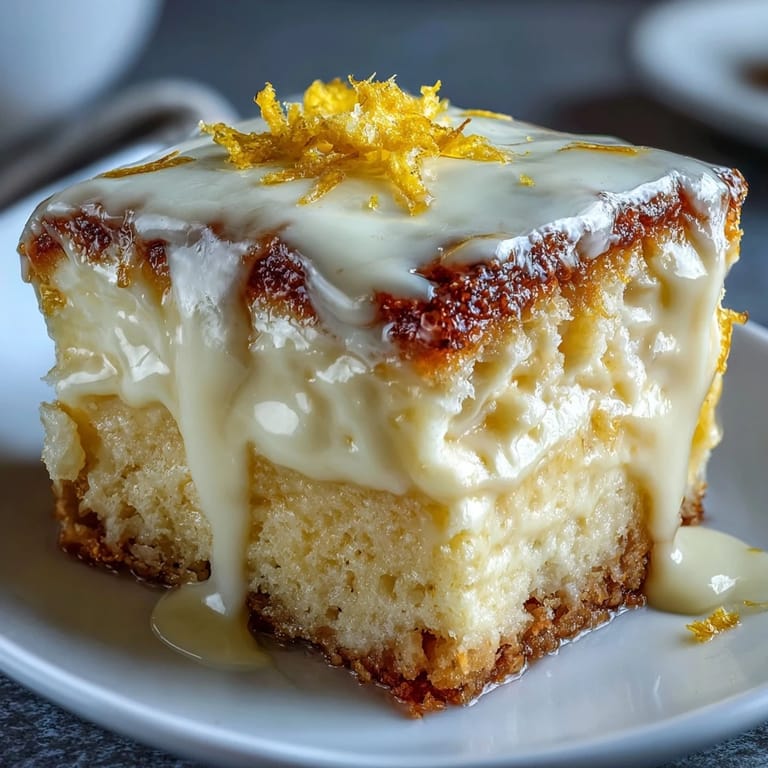
 There's a moment right when you cut into a properly made lemon tart—when the knife slides through that butter crust with a soft crack and you see that perfectly set but tender filling with those flecks of zest scattered through it—when you understand that some desserts are worth the small effort. This is the tart I make when I want to feel like I've given someone something genuinely special without the stress of temperamental soufflés or tricky chocolate work.
Why This Tart Wins Every Time
The secret to this tart's success is that it forgives small mistakes while still delivering something elegant. If your crust isn't perfect, the filling covers it. If you accidentally wobble the oven rack, the tart laughs it off. Even if you chill it a day ahead, it stays fresh and brightens any table it lands on. This is confidence food—the kind you can make knowing that almost nothing will go wrong, and if something does, nobody will notice.
Playing with the Flavors
Once you've made this classic version a few times, your hands will remember the moves and your kitchen will smell like spring lemon every time. That's when you can start experimenting—blood orange juice mixed with lemon juice creates something deeper and more mysterious, lime gives it a tropical edge, or even a splash of lavender syrup can turn it into something entirely new. I've also added a thin layer of lemon curd to the crust before pouring in the filling, which creates this luxurious double-lemon moment that tastes like pure indulgence.
Serving and Storing Your Masterpiece
This tart is best served at room temperature or slightly chilled, when you can really taste all the layers and the crust is at its crispest. It keeps beautifully covered in the refrigerator for up to three days, and honestly, it might taste even better the second day when all the flavors have settled into each other. Serve it with a dollop of whipped cream or crème fraîche alongside, or with a glass of something cold and slightly sweet like Sauternes or even a crisp sparkling wine that echoes the brightness of the lemon.
- Store it in the fridge covered loosely with plastic or in an airtight container so the crust doesn't absorb stray flavors.
- If the crust ever gets soft from humidity, a few minutes in a 325°F oven will revive its crispness.
- This tart looks stunning as part of a dessert spread, where you can cut it into smaller wedges so people can try multiple things.
 Pin It
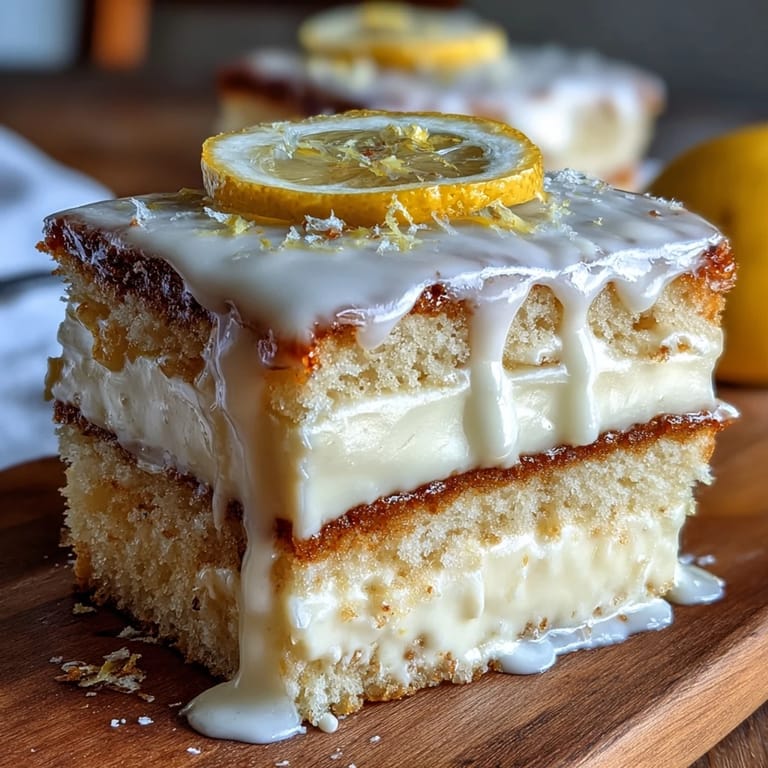
 This tart has become my answer to the question I dread most: what to bring to a dinner party when I want to seem put-together but not spend all day cooking. It's elegant, it's personal, and it tastes like spring in a single bite.
Questions & Answers
- → How do I make the crust crisp and buttery?
Use cold unsalted butter cut into small cubes and pulse it with flour and sugar until coarse crumbs form. Chilling the dough before baking helps maintain flakiness.
- → Can I substitute lemon juice with other citrus?
Yes, blood orange or lime juice can replace some or all lemon juice for a different but equally bright flavor.
- → How do I know when the filling is properly set?
The filling should be just set with a slight wobble in the center after baking. It will firm up more as it cools and chills.
- → What is the best way to prevent a soggy crust?
Baking the crust with parchment and weights before adding the filling ensures a crisp base by removing excess moisture.
- → How long should I chill the tart before serving?
Chilling for at least two hours allows the filling to set fully and enhances the tart’s refreshing texture.