 Pin It
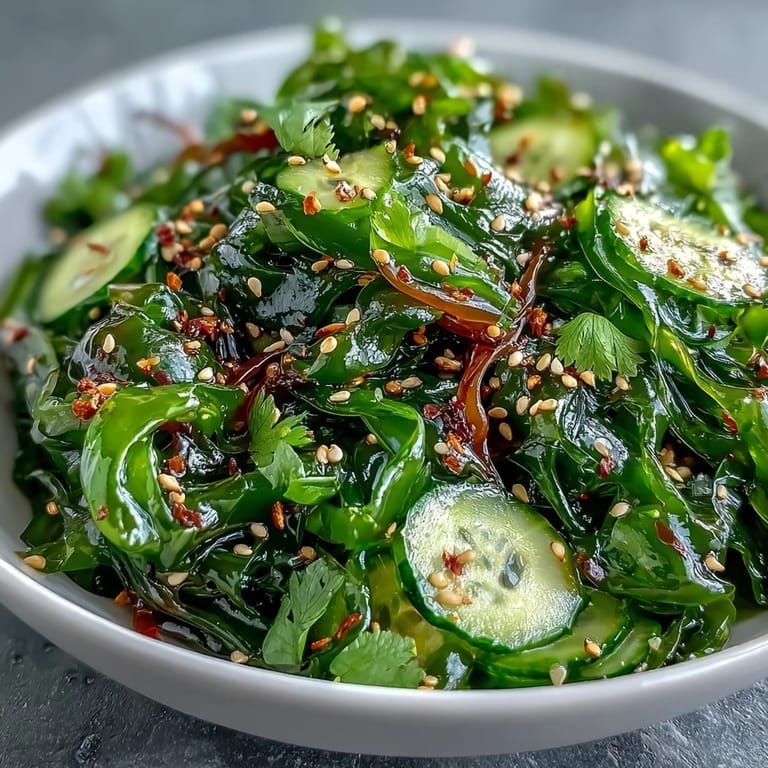
 I discovered seaweed salad on a Tuesday afternoon at a tiny sushi counter tucked between a laundromat and a bookstore, where the chef casually slid a small bowl across the counter with a knowing smile. The tender, briny seaweed glistening with sesame oil and the sharp bite of ginger made me pause mid-bite, realizing I'd been missing something simple and extraordinary in my regular rotation. What struck me most wasn't the sophistication—it was how effortless it felt, like the salad had been waiting for me to stop overthinking lunch.
The first time I made this at home, my partner wandered into the kitchen asking what smelled so good, and I realized it was just the toasted sesame oil hitting the warm ginger. We ended up eating it straight from the mixing bowl while standing by the counter, which somehow made it taste even better than any plated version ever could.
Ingredients
- Dried wakame seaweed (30g): The foundation of everything—buy it from a Japanese market or trusted online source, because the quality difference is real and worth it.
- Cucumber (1 small): Slice it thin enough to bend slightly without breaking, which means you're hitting that perfect crispness sweet spot.
- Carrot (1 small): Julienne it into matchsticks so it catches the dressing evenly and adds a subtle sweetness that balances the brine.
- Scallions (2): The green parts especially bring a fresh bite that keeps the salad from feeling heavy.
- Toasted sesame oil (2 tbsp): This is non-negotiable—regular sesame oil tastes like nothing in comparison, and the toasted version carries all the flavor.
- Rice vinegar (1 ½ tbsp): Gentler than other vinegars, it whispers rather than shouts.
- Low-sodium soy sauce or tamari (1 tbsp): Low-sodium keeps you in control of the salt story; tamari works beautifully if gluten matters to you.
- Freshly grated ginger (1 tbsp): Fresh is the only way—jarred ginger tastes like disappointment in comparison, and you'll taste the difference immediately.
- Maple syrup or honey (1 tbsp): Just enough sweetness to round out the sharp edges without making it dessert.
- Toasted sesame seeds (1 tsp plus 1 tbsp for garnish): Toast them yourself if you can; the aroma alone is worth the extra minute.
- Chili flakes (½ tsp, optional): A whisper of heat that sneaks up on you pleasantly.
- Fresh cilantro or parsley (1 tbsp, optional): A green note at the end that lifts everything.
Tired of Takeout? 🥡
Get 10 meals you can make faster than delivery arrives. Seriously.
One email. No spam. Unsubscribe anytime.
Instructions
- Wake up the seaweed:
- Pour cold water over the dried wakame in a bowl and let it sit for 7 to 10 minutes—you'll watch it transform from brittle curls into tender ribbons. Drain it well and give it a gentle squeeze to remove excess water without mangling the delicate leaves.
- Build your base:
- Combine the seaweed, cucumber, carrot, and scallions in a large bowl, tossing gently so everything mingles without bruising. This is the moment to taste a piece of cucumber and make sure you're happy with how you sliced it.
- Create the magic:
- In a small bowl, whisk together the sesame oil, rice vinegar, soy sauce, ginger, maple syrup, sesame seeds, and chili flakes until you smell that unmistakable warm sesame-ginger aroma. The mixture should look glossy and smell immediately inviting.
- Marry it all together:
- Pour the dressing over the salad and toss gently with a fork or salad tongs, making sure every piece gets coated without aggressive stirring. You're looking for everything to glisten, not break apart.
- Finish and serve:
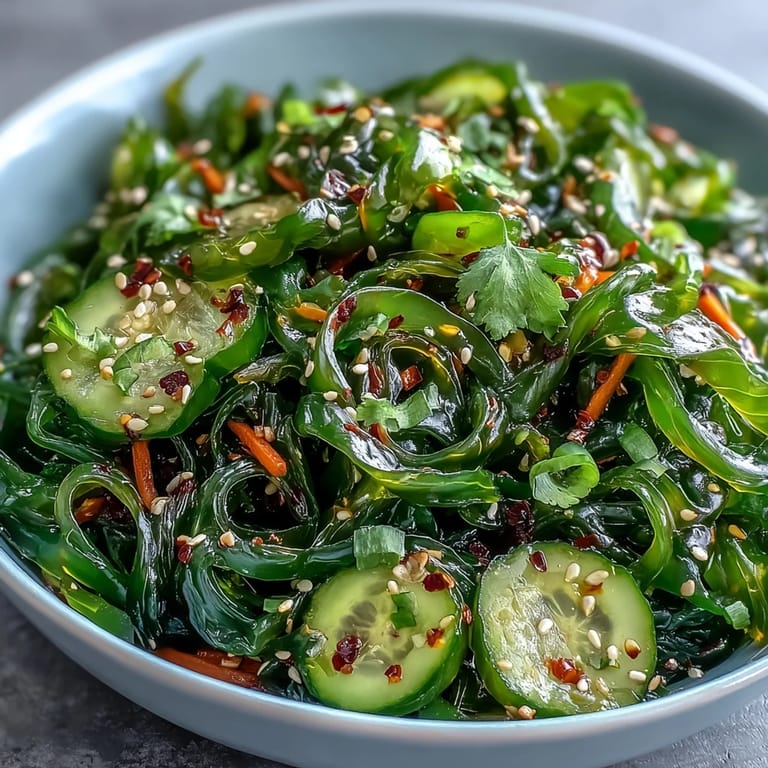
- Transfer to a serving bowl and scatter sesame seeds and herbs on top right before serving. If you have time, chilling for 15 to 30 minutes lets the flavors settle and meld beautifully.
 Pin It
 One evening, I served this to a friend who swore she didn't like seaweed, and watching her eat three bowls while insisting it was just "not slimy like she thought" made me realize this salad has a way of changing minds. It became the dish we'd make whenever someone needed convincing that healthy food could taste genuinely exciting.
The Sesame Oil Question
Toasted sesame oil is the difference between a good salad and one people ask you to make again. Regular sesame oil is pale and mild, while toasted sesame oil is deep, nutty, and carries so much personality that it practically seasons itself. I keep a small bottle in my fridge specifically for this, because once you taste what it brings, every other oil feels insufficient.
Customizing Without Losing the Plot
This salad welcomes additions thoughtfully—shredded red cabbage adds crunch and color, thin radish slices bring peppery notes, and even a handful of edamame turns it into something more substantial without disrupting the balance. The dressing is forgiving enough to absorb new vegetables, but the sesame-ginger backbone stays the star. I've added avocado, pickled ginger, even crispy tofu, and every variation felt intentional rather than random.
Timing and Storage Wisdom
This salad is happiest served immediately or after a gentle chill, when everything is still crisp and the dressing hasn't had time to weep into the vegetables. It keeps for about two days in an airtight container, though the seaweed gradually softens and the vegetables lose their snap. I've learned to prep the components separately and dress it just before serving if I know I'm eating it over two days, which keeps it tasting fresher longer.
- Make the dressing up to a day ahead—it actually improves overnight as flavors meld.
- Soak and drain the seaweed earlier in the day, then store it separately until you're ready to serve.
- Slice vegetables just before serving for maximum crispness and color.
 Pin It
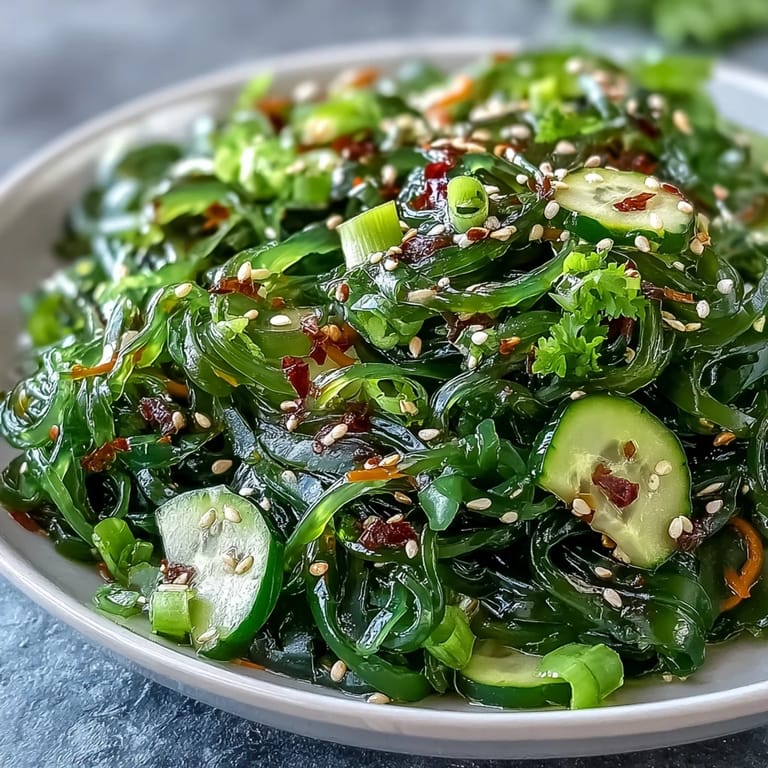
 This salad has quietly become my answer to the question of what to bring when someone asks for something healthy, something that travels well, something that impresses without requiring a second mortgage. It's the kind of dish that reminds you that simplicity and flavor aren't opposites.
Questions & Answers
- → What type of seaweed works best?
Dried wakame seaweed is ideal for this preparation. It rehydrates quickly to become tender yet retains a pleasant texture. Soak for 7–10 minutes until fully softened, then drain thoroughly before combining with the vegetables.
- → Can I make the dressing ahead of time?
Yes, the dressing can be prepared 1–2 days in advance and stored in the refrigerator. Whisk again before using, as the sesame oil may separate slightly when chilled. This allows the ginger and other flavors to meld beautifully.
- → How long does the salad stay fresh?
The seaweed salad keeps well for up to 2 days when stored in an airtight container in the refrigerator. The vegetables will maintain their crunch, though the seaweed may soften slightly as it marinates in the dressing.
- → Is this dish gluten-free?
Yes, this dish is naturally gluten-free when using tamari instead of regular soy sauce. Always verify that your packaged seaweed and other ingredients are certified gluten-free, as cross-contamination can occur during processing.
- → Can I add other vegetables?
Absolutely. Thinly sliced radish, shredded red cabbage, or julienned bell pepper make excellent additions for extra crunch and color. Add them along with the cucumber and carrot before tossing with the dressing.
- → What makes the dressing tangy?
The combination of rice vinegar and fresh ginger creates the bright, tangy flavor profile. Rice vinegar provides gentle acidity while freshly grated ginger adds a zesty kick that complements the rich sesame oil perfectly.