 Pin It
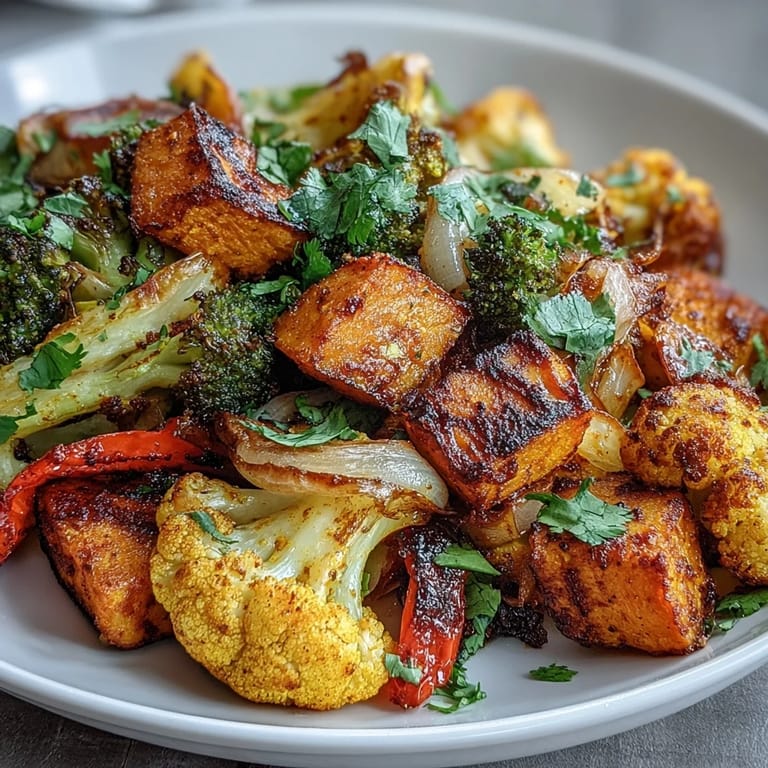
 My kitchen smelled like a spice market the afternoon I discovered how transformative turmeric could be when paired with roasted vegetables. A friend had mentioned feeling sluggish, and instead of offering unsolicited advice, I decided to cook something golden and warming for her visit. That single sheet of vegetables, tumbling with cumin and paprika as they caramelized, became the foundation of something I now make whenever I want to feel genuinely nourished. The colors alone—burnt orange carrots, deep purple cauliflower, jeweled red peppers—told me this wasn't just healthy, it was beautiful.
I made this for a potluck once and watched people reach for seconds without asking what was in it, which felt like a small victory. Someone asked if I'd added honey because they couldn't place the subtle sweetness, but it was just the caramelized edges of the sweet potato and the natural sugars concentrating under heat. That moment taught me that wellness food doesn't need to announce itself or come with an explanation.
Ingredients
- Cauliflower florets (2 cups): They become impossibly crispy at the edges when roasted hot, almost like little golden clouds that hold the spices perfectly.
- Broccoli florets (2 cups): The stems are secretly your friend here—peel them and cut them into spears so nothing goes to waste and everything cooks evenly.
- Sweet potato, peeled and cubed (1 large): This brings natural sweetness and creaminess that balances the earthy spices beautifully.
- Carrots, sliced (2 medium): Cut them on a slight angle so they caramelize faster and look more intentional on the plate.
- Red bell pepper, cut into chunks (1): It softens just enough to become almost jammy while keeping its color, adding brightness to every bite.
- Red onion, cut into wedges (1 small): The layers protect the inside from burning while the outside gets sweet and slightly charred.
- Extra-virgin olive oil (2 tbsp): This is your vehicle for flavor—use one you actually like tasting because it matters here.
- Ground turmeric (1 ½ tsp): The star of the show, earthy and slightly bitter in the most sophisticated way, but use fresh turmeric if you can find it.
- Ground cumin (1 tsp): Adds warmth and a hint of nuttiness that makes people wonder what secret ingredient you used.
- Ground coriander (½ tsp): Brings a subtle citrus note without overpowering anything else.
- Smoked paprika (½ tsp): Even a small amount adds depth and that suggestion of smoke that makes vegetables taste more interesting.
- Ground black pepper (¼ tsp): A pinch is all you need, but this actually helps your body absorb the turmeric better, so it's doing more than just seasoning.
- Sea salt (¾ tsp): Taste as you go because vegetables release water as they roast, and you may need to adjust at the end.
- Lemon juice (1 tbsp): Squeeze it over just before serving to wake everything up with brightness.
- Fresh cilantro or parsley (2 tbsp, optional): A handful of fresh herbs at the end transforms the dish from healthy to herbaceous and alive.
Tired of Takeout? 🥡
Get 10 meals you can make faster than delivery arrives. Seriously.
One email. No spam. Unsubscribe anytime.
Instructions
- Heat your oven and prep your stage:
- Preheat to 425°F and line your baking sheet with parchment paper so cleanup becomes optional. This temperature is hot enough to caramelize but not so hot that delicate vegetables burn before softening.
- Gather and cut your vegetables:
- Wash everything and cut pieces to roughly similar sizes so they finish cooking at the same time. Aim for 1 to 1 ½ inch pieces—too small and they'll shrivel, too large and the outside will burn before the inside is tender.
- Build your spice blend:
- In a small bowl, whisk together the olive oil with all your spices and salt, which distributes them evenly rather than having clumps of turmeric in certain bites. The oil becomes fragrant and slightly golden, a sign everything is mixing properly.
- Coat everything evenly:
- Toss the vegetables with the spiced oil using your hands if you want to feel like you're actually cooking, or a large spoon if you prefer. Make sure every piece gets a thin coating, paying attention to the leafy parts of broccoli and cauliflower since they'll get crispiest.
- Spread in a single layer:
- Arrange vegetables so they touch the hot pan rather than stacking on top of each other, which is what creates that caramelized exterior. If they're crowded, they'll steam instead of roast, and you'll miss the best part.
- Roast with one mindful stir:
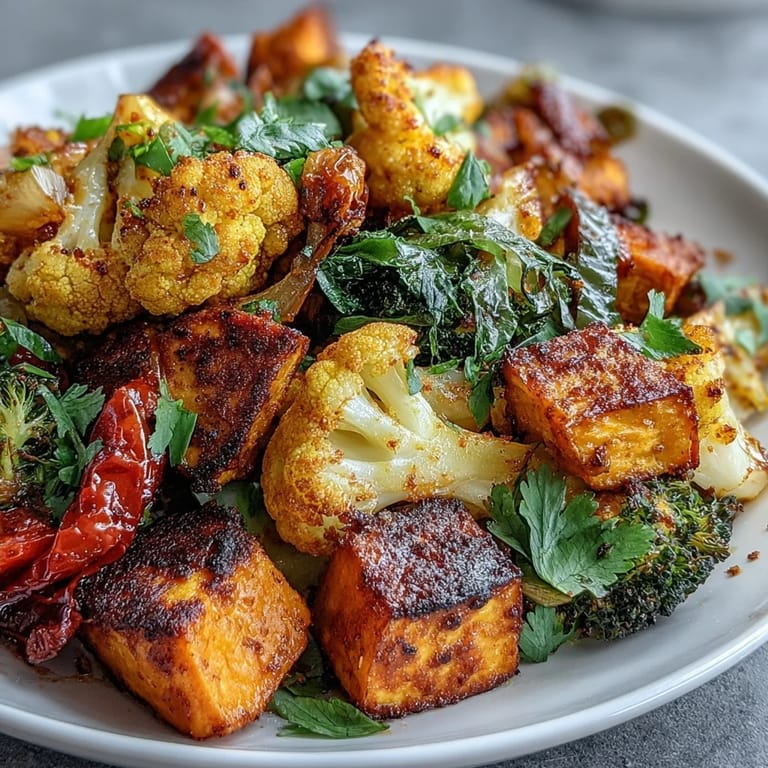
- Set a timer for 15 minutes, then give everything a toss and scatter it back across the pan, which prevents sticking and ensures even browning. The kitchen will smell incredible at this point, a smell that promises something good is coming.
- Check for doneness:
- After another 12 to 15 minutes, the vegetables should be tender when pierced with a fork and have golden to slightly charred edges. If you like things crispier, leave them for another few minutes and watch closely.
- Finish with brightness:
- Remove from heat and immediately drizzle with lemon juice while everything is still warm enough to absorb the tartness. Scatter fresh herbs on top if using, which adds a peppery freshness that makes the whole dish feel intentional.
 Pin It
 There was an evening when someone I cared about was struggling, and instead of words that felt empty, I roasted a sheet of these vegetables and sat with them while they ate. The turmeric's warmth, the sweetness of caramelized vegetables, the brightness of lemon—it felt like showing care through flavor, which somehow said everything that needed saying.
The Spice Story
Turmeric has been used for thousands of years in cooking and medicine, and there's real science behind why it feels so grounding when you eat it. The subtle earthiness works because it doesn't compete with vegetables; it lets them taste more like themselves while adding depth. When you roast these spices, their flavors mellow and intertwine, becoming something warmer and more inviting than if you'd simply sprinkled them raw over the vegetables.
Vegetables That Work and Vegetables That Don't
Root vegetables and cruciferous vegetables shine here because they can withstand the high heat without falling apart, while delicate vegetables like zucchini or green beans would turn mushy. I've learned that Brussels sprouts become incredible when halved and roasted this way, developing a caramelized exterior that's almost nutty. Butternut squash works beautifully too, though you'll want to cube it smaller since it takes longer to soften than the other vegetables.
Beyond a Side Dish
These vegetables feel complete alongside quinoa or brown rice, but I've also spooned them over hummus toast, scattered them into grain bowls, or nestled them beside roasted tofu for a plant-based main. The leftover vegetables taste even better the next day because the spices have had time to settle into every piece, so make extra without guilt. They keep for about four days in the refrigerator and reheat beautifully, making them perfect for meal prep if you're the type who plans ahead.
- A dollop of cool non-dairy yogurt cuts through the richness and adds creaminess that feels indulgent.
- A squeeze of fresh lime instead of lemon brings a slightly more tropical, bright quality if you're in that mood.
- Serve them at room temperature for a different experience—the flavors feel cleaner and the textures more distinct when they're not hot.
 Pin It
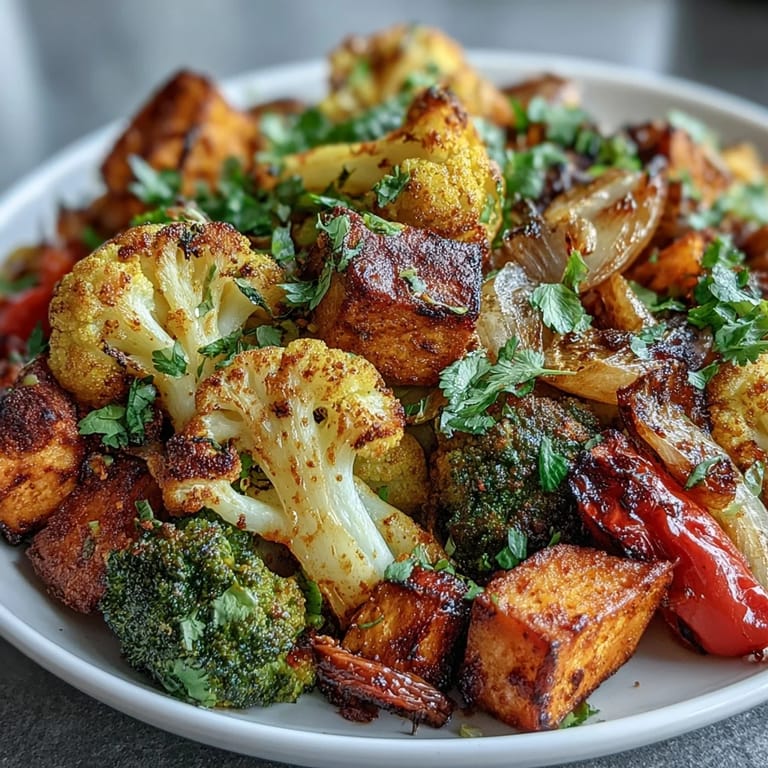
 This recipe reminded me that eating well doesn't require sacrifice or boring food—it just requires heat, intention, and spices that make you feel alive. Every time I make it, the kitchen fills with that warm, golden smell, and somehow everything feels a little bit better.
Questions & Answers
- → What vegetables work best for roasting with turmeric?
Root vegetables like sweet potatoes, carrots, and cauliflower absorb turmeric beautifully. Broccoli, bell peppers, and red onion also complement the earthy spices while maintaining their texture during roasting.
- → How do you prevent turmeric from staining?
Work quickly when coating vegetables and use parchment paper on your baking sheet. Clean any spills immediately with soap and warm water. The vibrant color is worth the extra care.
- → Can I prepare these vegetables ahead of time?
Yes, chop and coat the vegetables up to 24 hours in advance. Store them in an airtight container in the refrigerator, then roast when ready. The flavors actually develop beautifully during this time.
- → What enhances turmeric absorption?
Black pepper significantly improves turmeric absorption. The healthy fats from olive oil also help your body utilize the beneficial compounds in turmeric more effectively.
- → How do I know when the vegetables are done?
Look for golden-brown edges and tender centers when pierced with a fork. The vegetables should have slight crispiness at the edges but still maintain their shape. Stir halfway through for even cooking.